October 19, 1886 — The Third Grand National Assembly Opens in Veliko Tarnovo
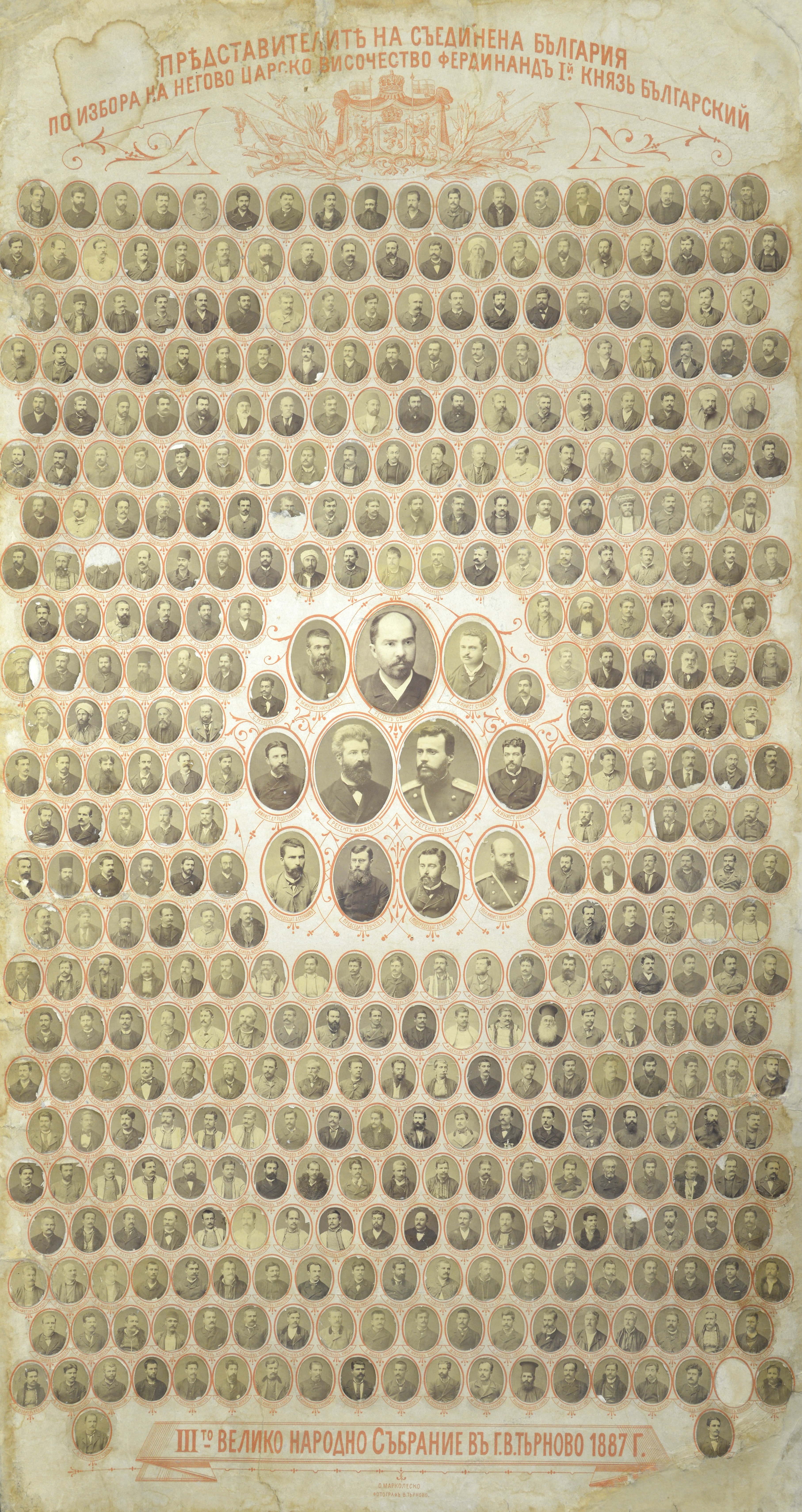
The Third Grand National Assembly opened in Veliko Tarnovo with the task of electing a new Prince of Bulgaria after the abdication of Alexander I of Battenberg. The young principality was still navigating the aftermath of the 1885 Unification with Eastern Rumelia, the Serbo-Bulgarian War, and intense pressure from the Great Powers. Choosing a new ruler was therefore not only a dynastic question, but a matter of sovereignty, international recognition, and internal stability. Veliko Tarnovo, the medieval capital and symbolic home of Bulgarian statehood, provided a powerful setting for the assembly’s work. The process eventually led to the election of Ferdinand of Saxe-Coburg-Gotha in 1887, opening a new and controversial chapter in modern Bulgarian monarchy.
October 19, 2002 — Bulgaria Destroys the Last Combat Component of Its SS-23, Scud, and FROG Missiles
The last combat component of Bulgaria’s SS-23, Scud, and FROG missile systems was destroyed at the Zmeyovo training ground near Stara Zagora. The destruction was part of Bulgaria’s post-Cold War security transformation and its effort to align with Euro-Atlantic standards before joining NATO in 2004. These missile systems had been inherited from the Warsaw Pact era and symbolized a very different strategic world. Eliminating them was politically sensitive, because it touched questions of defence capability, sovereignty, and external pressure. Yet the act also signalled a clear geopolitical choice: Bulgaria was moving away from Soviet-era military structures and toward integration with Western security institutions. The event became one of the concrete steps in the country’s defence reform.
Continue with October 18 or October 20. For more stories and places, explore Bulgaria From Above and the guides in our Bulgaria category on Bronicable.