November 10, 1444 — The Battle of Varna Ends in Ottoman Victory
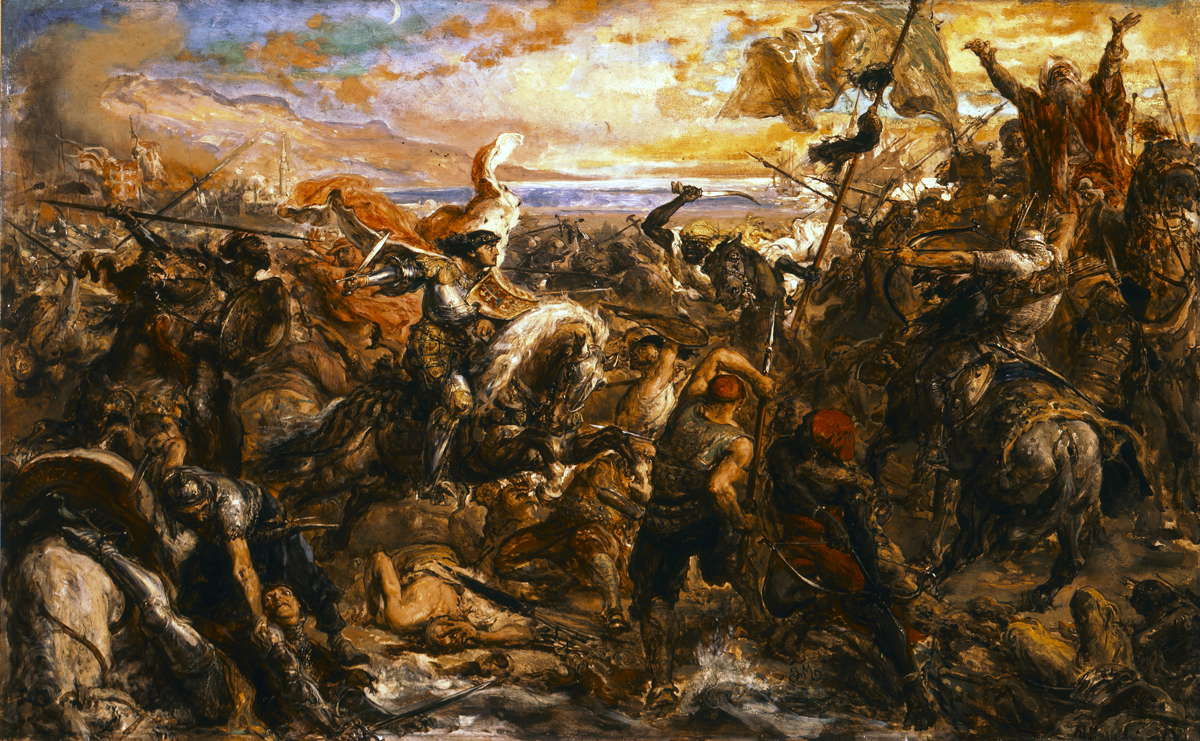
On November 10, 1444, the crusading army led by Wladislaw III Jagiello, King of Poland and Hungary, and the military commander John Hunyadi was defeated by Sultan Murad II’s Ottoman forces at the Battle of Varna. The battle took place near the Black Sea coast and became one of the decisive moments in the late medieval struggle for southeastern Europe. For the Bulgarian lands, already under Ottoman rule, the defeat ended one of the last major crusading attempts to push the Ottomans back from the Balkans. King Wladislaw was killed in the fighting, and the failure at Varna strengthened Ottoman control in the region. The battle remained a landmark in both Bulgarian and European historical memory.
November 10, 1989 — Todor Zhivkov Is Removed from Power
On November 10, 1989, the Central Committee of the Bulgarian Communist Party accepted the resignation of Todor Zhivkov as General Secretary, ending his 35-year rule. The decision came as perestroika, glasnost, public unrest, and the collapse of communist authority across Eastern Europe shook Bulgaria’s political system. Zhivkov had submitted his resignation the previous day, but the party announced the change after the plenum confirmed it and Petar Mladenov became his successor. The event did not immediately create democracy, yet it opened the road toward political pluralism, the repeal of the Communist Party’s constitutional monopoly, and Bulgaria’s first free multi-party elections in decades. November 10 became the symbolic beginning of the country’s post-communist transition.
Continue with November 9 or November 11. For more stories and places, explore Bulgaria From Above and the guides in our Bulgaria category on Bronicable.