January 11 connects two important episodes in Bulgaria’s transition: the confrontation outside the National Assembly in 1997 and the public presentation of a report on MPs’ links to the former security services in 2002.
What led to the protests outside Parliament in 1997?
The winter of 1996–1997 was one of the most difficult periods in Bulgaria’s recent history. Hyperinflation devalued incomes and savings, bank failures undermined a sense of security, and confidence in the government had collapsed.
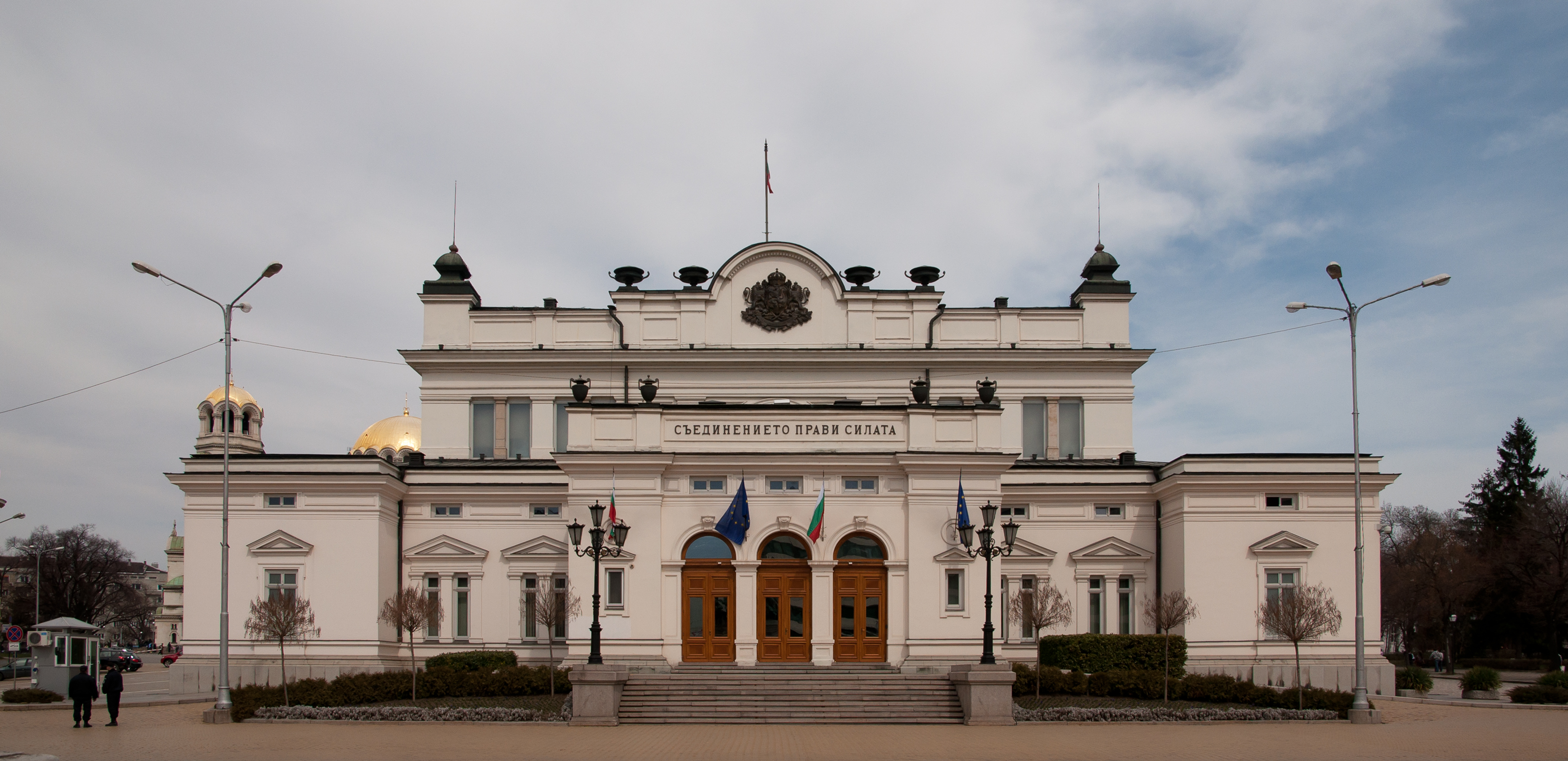
On January 10, opposition forces walked out of Parliament and called for civil disobedience. The following day, protesters gathered outside the National Assembly. Police dispersed the demonstration. Deputies from the Democratic Left were blocked inside the building and later escorted out, while the demonstrators outside demanded early elections and a change in political direction.
Why is January 11 remembered as a turning point?
The confrontation became one of the sharpest moments of Bulgaria’s post-communist transition. The economic crisis and distrust in the government moved directly into the space in front of the National Assembly, turning a political dispute into a visible institutional confrontation.
After the events, Bulgaria moved towards a caretaker government and early elections. The currency board was introduced later and became associated with economic stabilization. January 11 therefore belongs to the sequence in which economic collapse, public pressure and institutional change became closely connected.
What was the 2002 report on the secret services?
Five years later, January 11 again became linked to public confidence in institutions. On that date, a report was presented on the affiliations of members of the 35th National Assembly with Bulgaria’s communist-era secret services.
The question of files and institutional continuity had been part of public life since 1989. For many Bulgarians, disclosure was important for understanding how much of the old security apparatus had survived inside the new democratic order.
The process raised questions about evidence, privacy and the political use of archives, as well as about the line between guilt, coercion and historical truth. The 2002 report placed archival documents at the centre of the public discussion about the past of Bulgaria’s institutions.
One date, two questions about trust
In 1997, January 11 showed how distrust could bring people outside Parliament. In 2002, the same date placed documents about the past of public institutions before society. The day offers no simple conclusion, but it explains why transparency, archives and institutional responsibility remain essential to a democratic public conversation.
Explore more stories in the Bulgaria From Above category or continue with January 10 and January 12.