February 19 sits at an unusual crossroads in Bulgaria’s history — a day of national tribute to its most revered figure, and a monetary milestone that quietly reset the country’s economic life after years of crisis.
February 19 — Bulgaria Commemorates Vasil Levski
February 19 is widely observed in Bulgaria as the day of national tribute to Vasil Levski, even though the historical execution date under the Gregorian calendar is February 18, 1873. The discrepancy comes from calendar conversion and long-established commemorative practice. Each year, ceremonies, school events, wreath-laying, speeches, and public reflections honour the Apostle of Freedom.
Levski’s place in Bulgarian memory is exceptional because he is remembered not only as a revolutionary organizer, but as a moral standard — his ideas about a democratic republic, equality, discipline, and service to the people continue to shape public expectations. February 19 shows how nations remember, ritualize, and sometimes simplify complex dates around figures who become ethical symbols.
February 19, 1999 — Parliament Passes the Act on Re-Denomination of the Lev
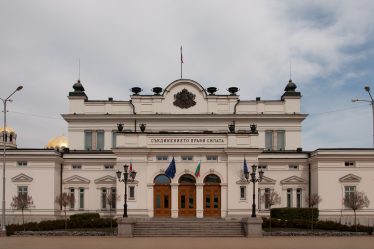
The National Assembly passed the Act on the re-denomination of the Bulgarian lev. The reform came after the financial collapse and hyperinflation of 1996–1997, when the currency had lost much of its credibility. Under the re-denomination, 1,000 old leva became 1 new lev, simplifying prices, accounting, wages, and public finances.
For Bulgarians who had watched savings disappear and prices spiral, the new lev carried both technical and psychological meaning. The measure was part of the broader stabilization period following the introduction of the currency board, helping normalize everyday economic life and restore confidence in money as a practical tool.
Read about the days on either side: February 18 and February 20. Our Bulgaria guides are there if you want to plan a visit.