April 7 shows how a church institution and international diplomacy helped build the public image of independent Bulgaria.
April 7, 1900 — The First Issue of Tserkovен Vestnik Is Published
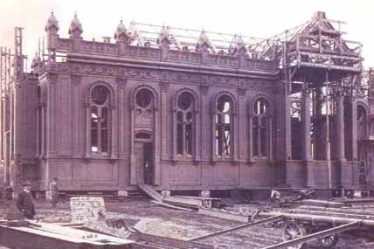
On April 7, 1900, the first issue of Tserkoven Vestnik was published, the official periodical of the Bulgarian Orthodox Church. The newspaper gave the church institution a permanent public voice and reached clergy and laypeople with news, decisions, religious texts and commentary.
Its appearance formed part of the broader history of Bulgarian journalism and of the church’s effort to participate in the public life of the modern state. The publication did more than transmit information. It created a shared conversation among people living in different towns and villages but belonging to one institutional and religious community.
April 7, 1909 — Serbia and Montenegro Recognize Bulgaria’s Independence
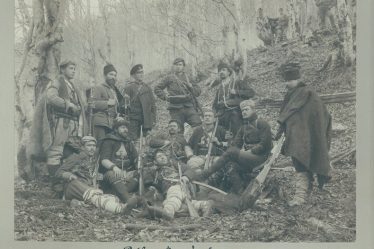
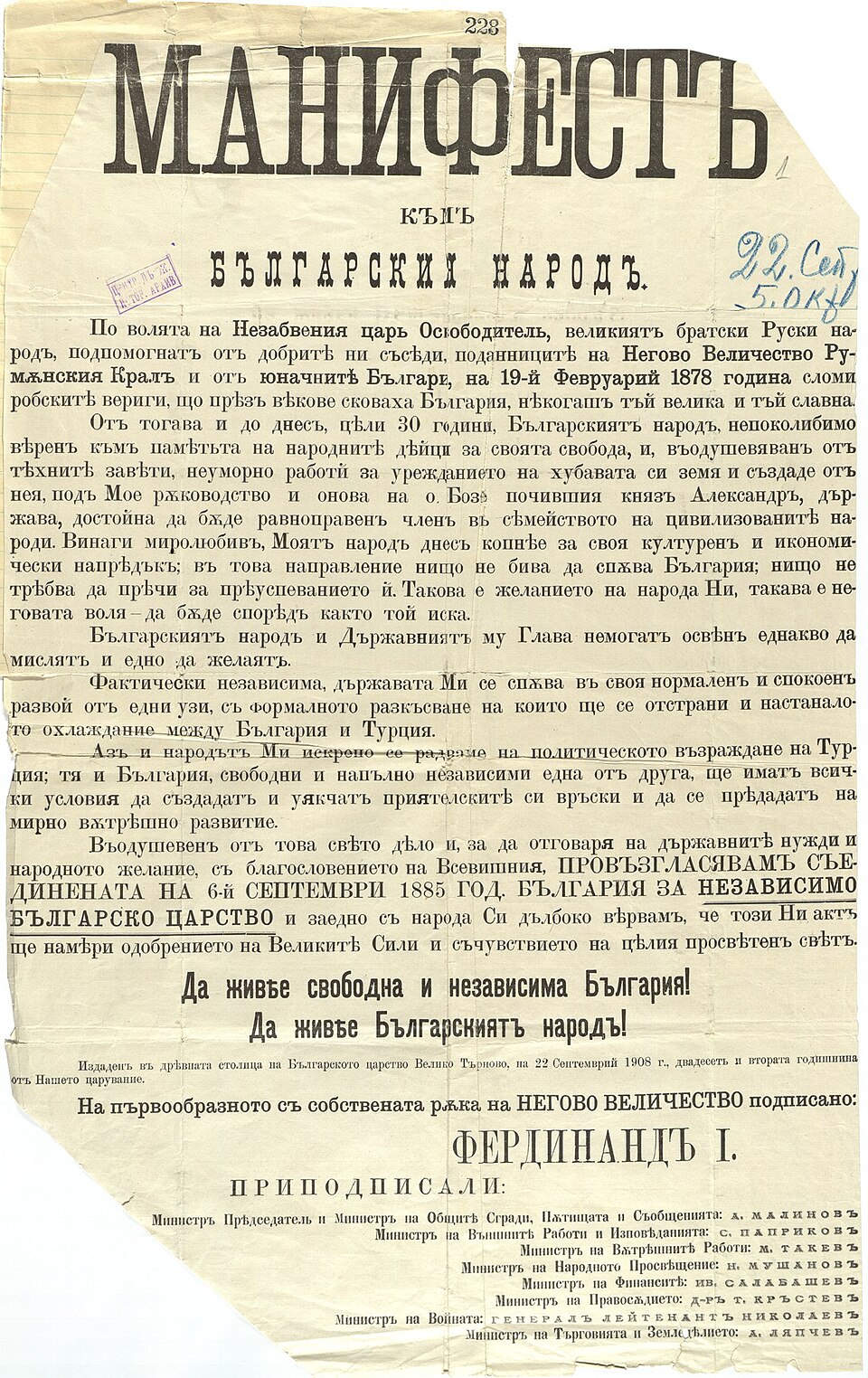
On April 7, 1909, Serbia and Montenegro recognized Bulgaria’s independence. After its proclamation in 1908, the recognition mattered not only as a diplomatic act, but also as a signal to the neighbouring states of the Balkans.
The region remained a space of rivalries, alliances and unresolved questions, and only a few years later the Balkan Wars would again change the relations between these states. The recognition showed that independence had to be not only proclaimed, but also gradually accepted within the international environment where Bulgaria was seeking its place.
April 7 places two ways of building public authority side by side: the church spoke through its own publication, while the state strengthened its status through diplomatic recognition by its neighbours.
Printed journalism and diplomatic recognition worked differently, but both gave public form to statehood. One reached believers and sustained institutional discussion; the other confirmed to neighbouring states that Bulgaria possessed an independent political status. At the beginning of the twentieth century, these processes developed in parallel.