More than a century separates the two moments filed under April 24 in Bulgaria’s history, yet both turn on how a nation organises faith, identity, and belonging.
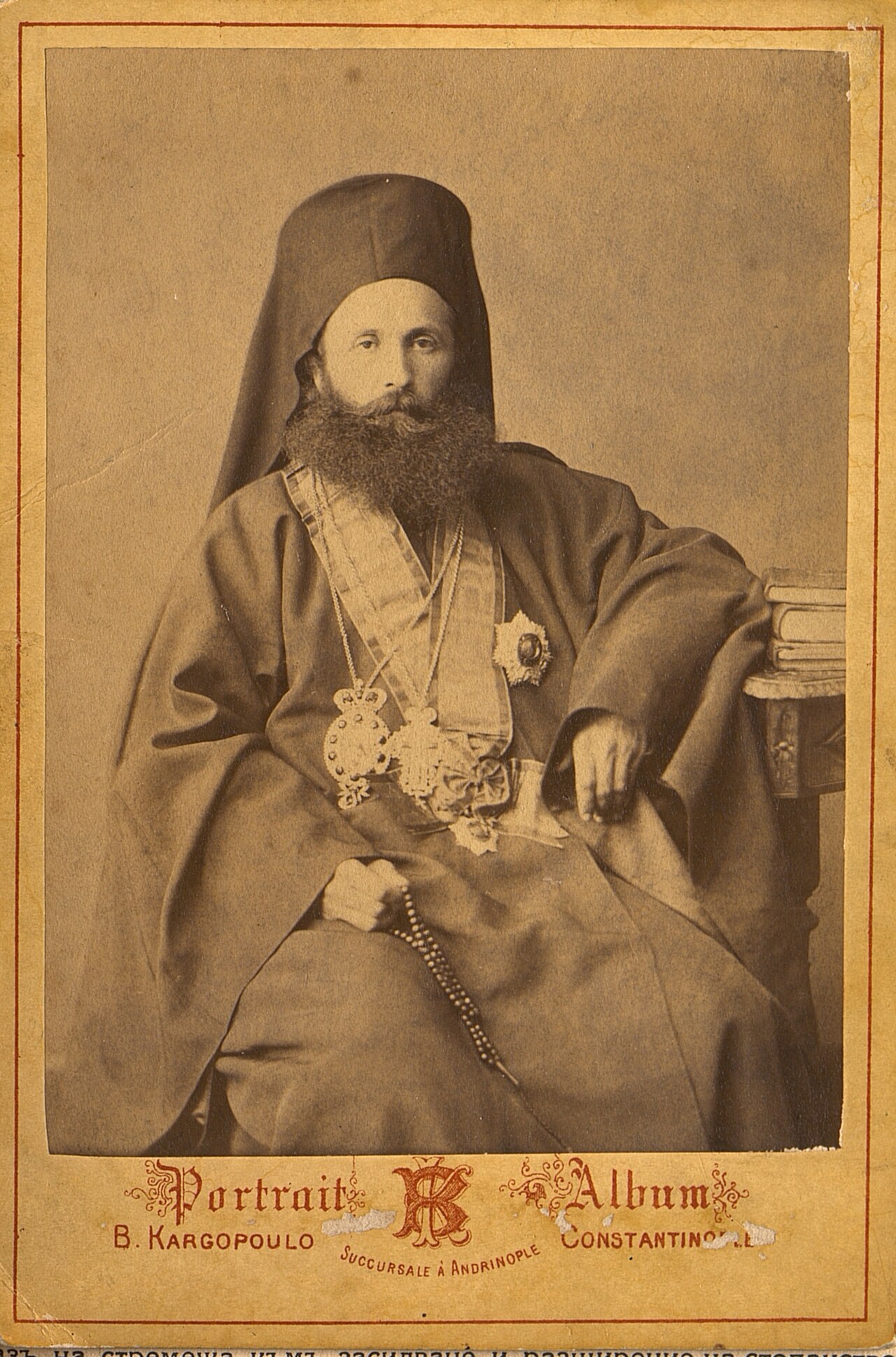
April 24, 1877 — Metropolitan Yossif of Lovech Is Elected Bulgarian Exarch
On April 24, 1877, Metropolitan Yossif of Lovech was elected Bulgarian Exarch in Constantinople, at a moment of extraordinary tension: the Russo-Turkish War was just opening, and the fate of the Bulgarian lands hung in the balance. Leading the Bulgarian church at such an hour was as much a political charge as a spiritual one.
The Exarchate, established in 1870, functioned as both a church and a hub of national organisation — one of the few institutions that could speak for Bulgarians across the empire. Yossif would spend the decades that followed safeguarding Bulgarian religious and educational institutions, above all in the territories left outside the Principality by the Treaty of Berlin, keeping a national presence alive in lands that the political settlement had cut off.
April 24, 2000 — The Public Council of Ethnic Minorities Is Founded
On April 24, 2000, the Public Council of Ethnic Minorities in Bulgaria was founded, bringing together organisations of Armenians, Romanians, Jews, Russians, Roma, and Turks alongside state authorities. Its creation acknowledged that a democratic society needed formal, standing channels between institutions and minority communities.
That need was real and hard-won. After a twentieth century scarred by episodes of assimilation, displacement, and discrimination, the young democracy had to build fresh mechanisms for consultation and recognition. The council was an imperfect instrument, and no single body could resolve such a history, but it was a genuine attempt to make diversity a working part of public life rather than a problem to be managed out of sight.