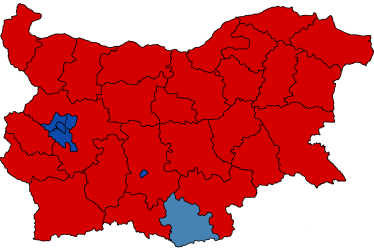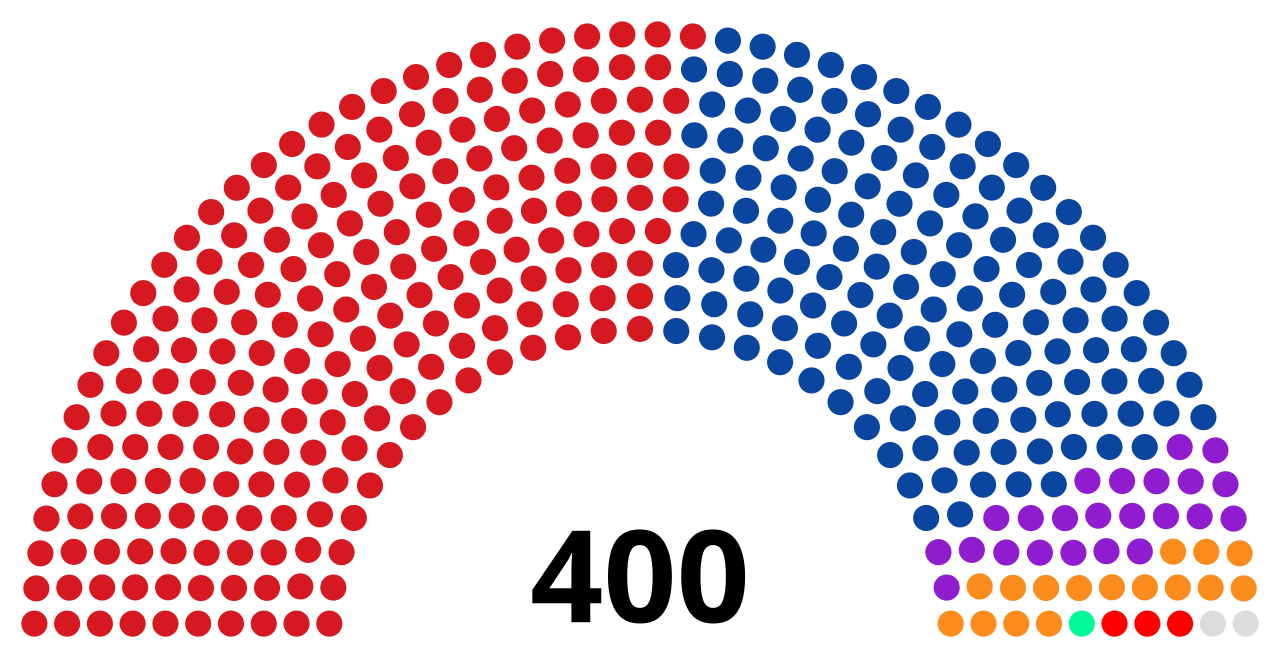
June 8 shows the difference between the controlled political vote of the final years of communist rule and the open competition that appeared on the eve of Bulgaria’s democratic transition.
June 8, 1986 — Parliamentary Elections Are Held
Parliamentary elections were held in Bulgaria on June 8, 1986, during the final years of Todor Zhivkov’s government. Voting took place within the controlled political framework of the Fatherland Front, with candidates approved by the ruling system.
This was not a competitive multiparty election of the kind introduced after 1989. The election matters because it records the institutional environment immediately before the transition. The formal holding of a vote did not automatically mean political pluralism or a genuine choice between different programmes.
For a reader comparing these elections with the democratic campaigns that followed, the difference is clear. Not only the candidates changed; the rules of political participation changed as well.
June 8, 1990 — Bulgaria’s Democratic Election Campaign Reaches Its Final Stage
By June 8, 1990, Bulgaria had completed the campaign for its first competitive national election after decades of one-party government. The election itself was held two days later.
Newly formed parties, mass rallies and open political debate transformed public life. Citizens encountered competing programmes and candidates on a scale not seen since the pre-communist period. Political discussion moved beyond a single ruling organisation and became a public contest for trust.
June 8 was a moment of anticipation, but also of reassessment. Bulgaria still carried the institutional legacy of the one-party system while building the language and practices of pluralist democracy.
The date is valuable precisely because it captures a transition in progress: one political model had not entirely disappeared, while another was already becoming visible in public debate and electoral competition.
The change cannot be measured only by the number of parties. It is also visible in the way citizens receive information, compare positions and take part in public debate.