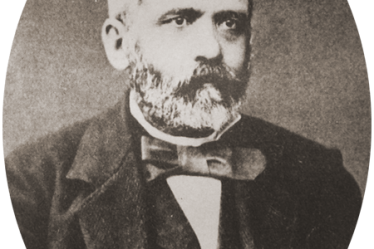
June 11 brings together the history of Bulgaria’s organised legal profession and one of the most visible student protests at the beginning of the democratic transition.
June 11, 1966 — The Union of Jurists in Bulgaria Is Established
On June 11, 1966, the Union of Jurists in Bulgaria was founded as a professional organisation for judges, prosecutors, lawyers, academics and other legal specialists. Its creation provided a common forum for people working with laws and institutions.
The organisation made it possible to discuss legislation, legal education and professional standards within the institutional conditions of the period. Such discussion matters to any legal system because law exists not only as written text. It is applied by professionals who must interpret rules and take responsibility for their decisions.
The union’s history continued through Bulgaria’s democratic transition, when the legal system underwent constitutional and legislative changes. June 11 therefore recalls the role of organised legal expertise in state institutions and public life.
June 11, 1990 — Students Begin University Occupations
On June 11, 1990, students began occupying Bulgarian universities amid allegations about the conduct of the previous day’s election for the Grand National Assembly. The action became one of the most visible expressions of youth participation in the early democratic transition.
Their demands concerned transparency and political accountability. Students used occupations, public discussion and pressure on institutions to show that elections were only one part of democratic culture. Confidence in procedures, the possibility of scrutiny and the authorities’ response to civic criticism also mattered.
The two events remembered on June 11 belonged to different generations, but they shared a theme: professional and civic communities sought ways to influence the rules by which society was governed.
In one case, a professional community organised discussion around law; in the other, young citizens insisted that political rules be visible and open to scrutiny. Both stories belong to the development of public responsibility.