August 5 cuts across Bulgaria’s history at two very different registers — the brutality of a rigged courtroom in 1947 and the quiet official recognition of ancient national roots in 1958.
August 5, 1947 — The Show Trial of Nikola Petkov
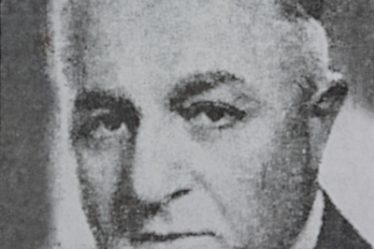
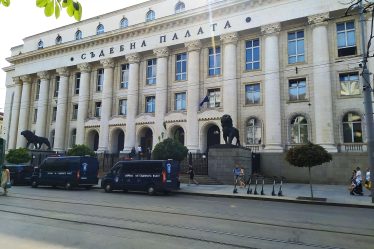
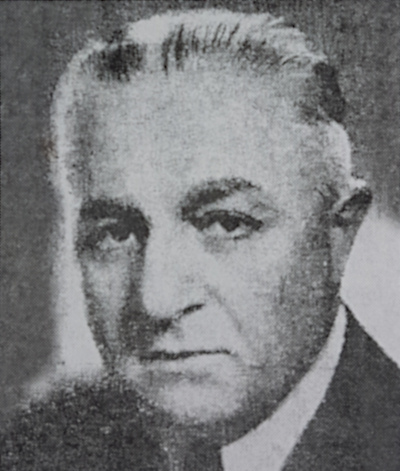
Nikola Petkov, leader of the Bulgarian Agrarian National Union and the most prominent remaining voice of opposition to Communist rule, went on trial in Sofia on August 5, 1947 on fabricated charges of espionage and conspiracy. He had been dragged from the parliamentary chamber and arrested weeks earlier, his immunity stripped along with that of twenty-three fellow deputies.
The proceedings were modelled closely on Stalin’s show trials. The verdict — a death sentence, handed down on August 16 — was never in doubt. Petkov was hanged the following month. With him went any organised political opposition in Bulgaria for the next four decades.
August 5, 1958 — Pliska, Preslav, and Madara Protected as National Heritage
Bulgaria declared the ancient sites of Pliska, Veliki Preslav, and Madara historic-architectural reserves of national significance on this date in 1958. Pliska served as the first capital of the Bulgarian Empire and the place where Prince Boris I accepted Christianity; Preslav later became a flourishing centre of Slavic literary culture.
Madara, home to the UNESCO-listed rock-carved Madara Horseman, completed a trio of sites whose formal protection acknowledged what was already clear: they were the foundational sites of early Bulgarian civilisation.
Round out the week with the August 4 entry, or head back to August 1 to start the run from the beginning. Bronicable’s Bulgaria From Above series puts these places in a different kind of context.