Few dates carry as much weight in Bulgaria’s history as September 9, which links the 1944 seizure of power by the Fatherland Front with a quieter 1972 opening of diplomatic ties with Bangladesh.
September 9, 1944 — The Fatherland Front Takes Power
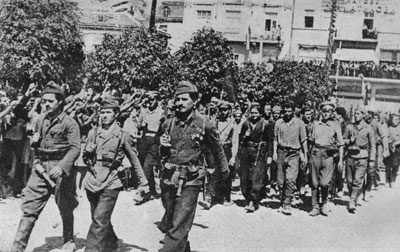
A coalition of left-wing parties gathered in the Fatherland Front took control in Sofia on September 9, 1944, with the advancing Red Army behind them. The monarchist government fell, and Kimon Georgiev stepped in at the head of the new administration.
This was no ordinary reshuffle. It redirected the country’s political course toward decades of communist rule, placing Bulgaria inside the emerging postwar order while its institutions and public life were rebuilt on a different model. The date is still read by some as a profound transformation and by others as the onset of restricted freedoms.
September 9, 1972 — Bulgaria Establishes Relations with Bangladesh
On the same date in 1972, Sofia formally opened diplomatic relations with the People’s Republic of Bangladesh, a state that had only recently declared its independence. The decision cleared the way for direct official contact between Sofia and Dhaka.
The move fit a wider foreign-policy pattern of reaching beyond Europe. Building ties with newly independent states of the post-colonial world was part of Bulgaria’s search for partners across the Cold War divide, extending its presence into South Asia.