September 2 takes us from the political drama of 1944 to one of postwar Bulgaria’s most revealing urban projects. In both stories, the date sits in the middle of a major political shift.
September 2, 1944 — Konstantin Muraviev forms a new government
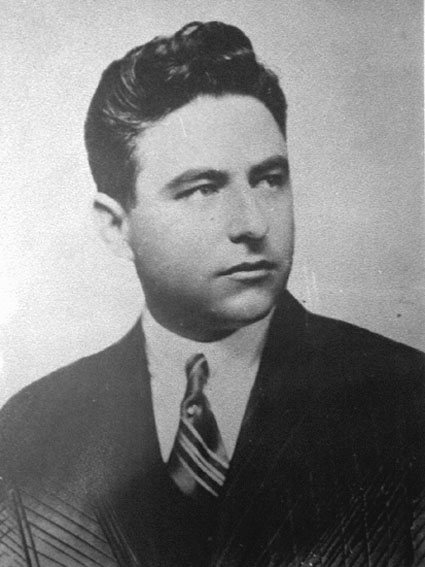
On September 2, 1944, Konstantin Muraviev formed a new Bulgarian government. It lasted only seven days, until the Fatherland Front takeover on September 9.
The situation was extremely tense. Bulgaria was still allied with Germany, the Red Army was advancing, and the country was trying to escape the consequences of the Second World War. Muraviev’s cabinet attempted to change course, but events were moving too quickly. It could neither stabilize the country nor prevent Soviet intervention.
Those seven days were brief, but they marked the narrow passage between Bulgaria’s wartime political order and the very different era that began after September 9, 1944.
September 2, 1947 — Dimitrovgrad is established as a city
On September 2, 1947, several villages in the Haskovo and Chirpan areas were merged, and the new settlement was established as the city of Dimitrovgrad. It was named after the communist leader Georgi Dimitrov.
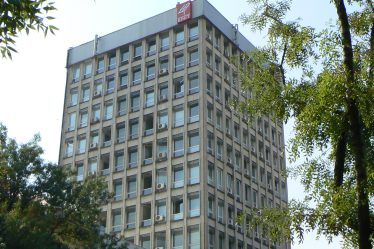
Dimitrovgrad was planned as a modern industrial city built with the participation of youth brigades. Factories, brigade labor, and the promise of a new social order were part of its identity from the beginning. Its creation was therefore more than an administrative decision: it was a political symbol of modernization under socialist Bulgaria.
Over time, the city developed into an important industrial center. Today, Dimitrovgrad remains one of the clearest examples of socialist urban planning in Bulgaria.
Continue with September 1 or September 3. For more stories and places in Bulgaria, explore our Bulgaria From Above series and the guides in our Bulgaria category on Bronicable.