September 15 brings together the military turning point at Dobro Pole in 1918 and the formal declaration of Bulgaria as a People’s Republic in 1946. The date shows how a defeat at the front and a change in the state system can form part of a larger historical line.
September 15, 1918 — The Breakthrough at Dobro Pole
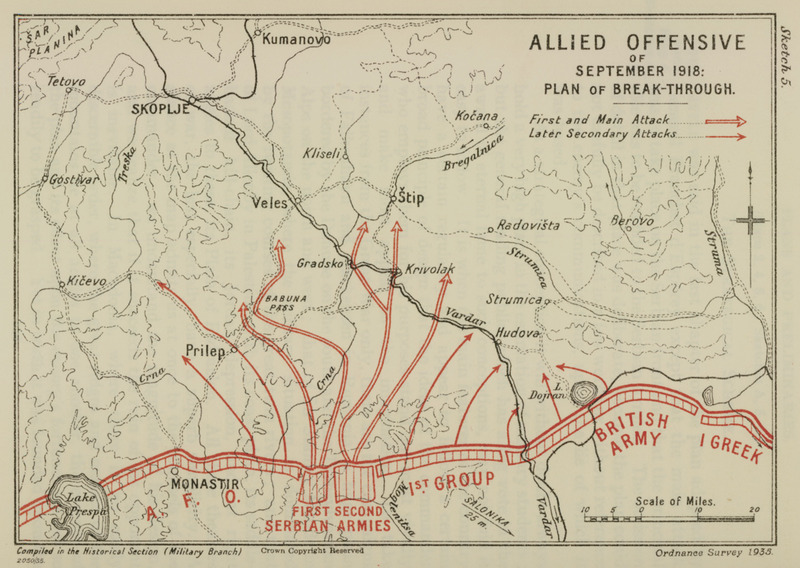
During the First World War, Allied forces launched a decisive offensive on the Macedonian Front and broke through the Bulgarian defensive lines at Dobro Pole. The breakthrough fractured the Bulgarian army and triggered a general retreat.
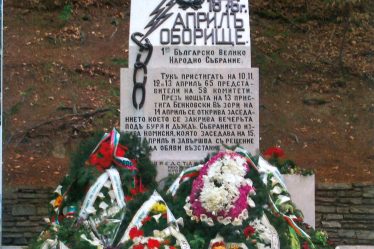
The military defeat had immediate political consequences. Anti-war sentiment spread among the soldiers, and army units began moving towards Sofia. This movement later became the Vladaya Rebellion. The breakthrough therefore moved from the battlefield into the country itself, showing how closely military failure, public exhaustion and a crisis of government could be connected.
Dobro Pole remains one of the decisive moments in the final phase of Bulgaria’s participation in the First World War. After it, the war could no longer continue in the same way, and the political order faced a severe test.
September 15, 1946 — Bulgaria Is Declared a People’s Republic
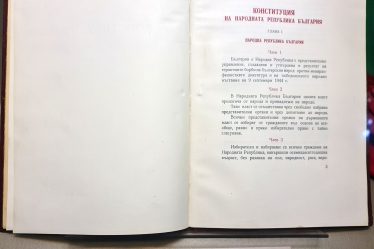
Following the referendum of September 8, the newly elected Grand National Assembly officially declared the establishment of the People’s Republic of Bulgaria on September 15, 1946. The declaration formalised the abolition of the monarchy and ended the rule of the Saxe-Coburg-Gotha dynasty.
It was an important step in the transition towards a socialist state model. The change went beyond the country’s name: it affected institutions, the political system and the way the legitimacy of power was defined.
The two events remembered on September 15 were 28 years apart, yet both marked the end of an established order. At Dobro Pole, it was the order of wartime mobilisation and policy; in 1946, it was the order of the monarchy.