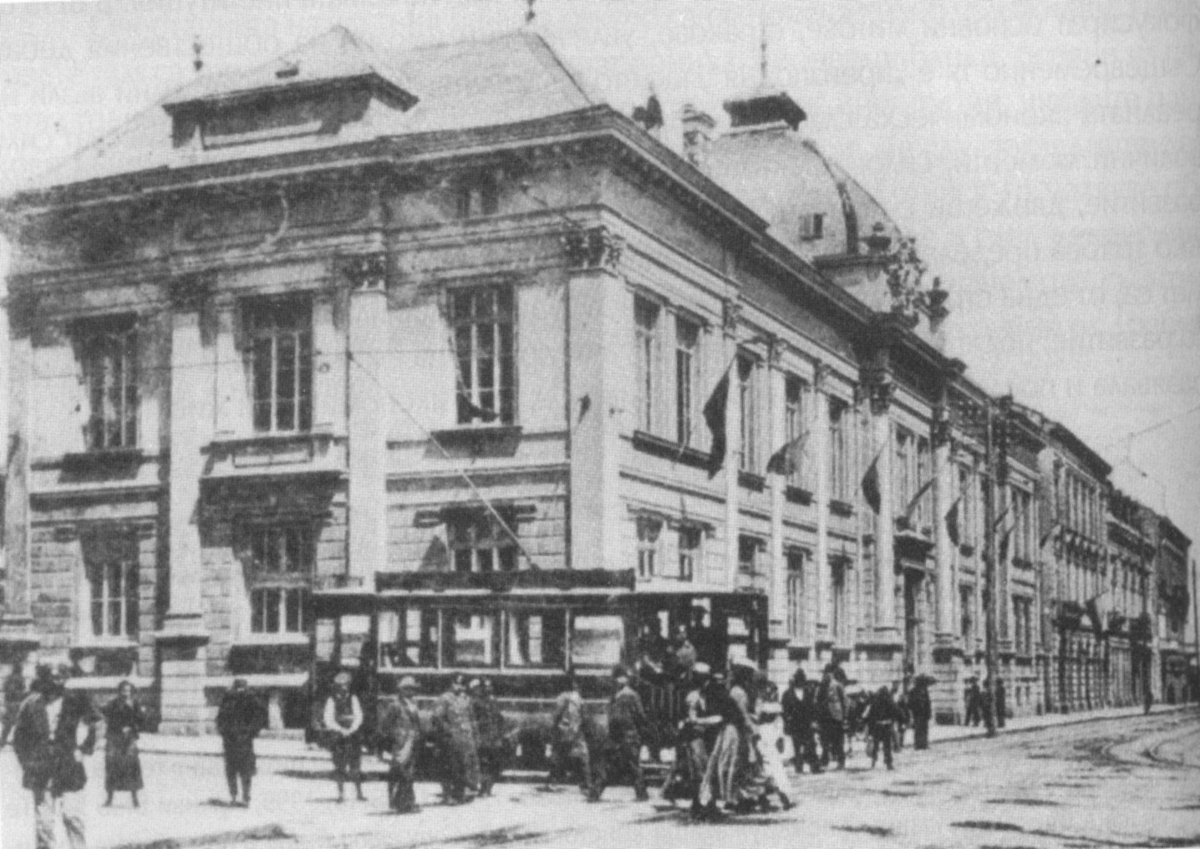
October 15, 1931 — Bulgaria Abandons the Gold Standard
Bulgaria’s central bank abandoned the gold standard and imposed controls on foreign exchange trading. The decision came during the Great Depression, when countries across Europe were struggling with collapsing trade, currency pressures, falling prices, and shrinking public revenues. For Bulgaria, a largely agrarian economy with major dependence on exports and foreign credit, the crisis created severe pressure on the lev and on the banking system. Leaving the gold standard was a defensive measure intended to protect reserves and give the state more room to manage currency flows. It also reflected a wider global shift away from the pre-war financial order. The move placed Bulgaria within the difficult economic politics of the 1930s, when monetary decisions carried deep social and political consequences.
October 15, 1992 — Radio FM+ Goes on Air
Radio FM+ went on air as Bulgaria’s first private radio station of the post-communist period. Its launch belonged to the media revolution that followed 1989, when broadcasting slowly moved beyond the state monopoly and commercial formats began to reshape everyday listening. FM+ introduced a different tone, music selection, advertising model, and relationship with audiences, helping normalize private electronic media in the new public sphere. The station’s debut also signalled broader changes in Bulgarian society: entrepreneurship, Western pop culture, market competition, and a more plural media environment. In the early 1990s, radio remained fast, intimate, and influential, and FM+ became one of the symbols of a country discovering new freedoms and new business realities at the same time.
Continue with October 14 or October 16. For more stories and places, explore Bulgaria From Above and the guides in our Bulgaria category on Bronicable.