October 22, 1895 — Vasil Levski’s Monument Is Inaugurated in Sofia
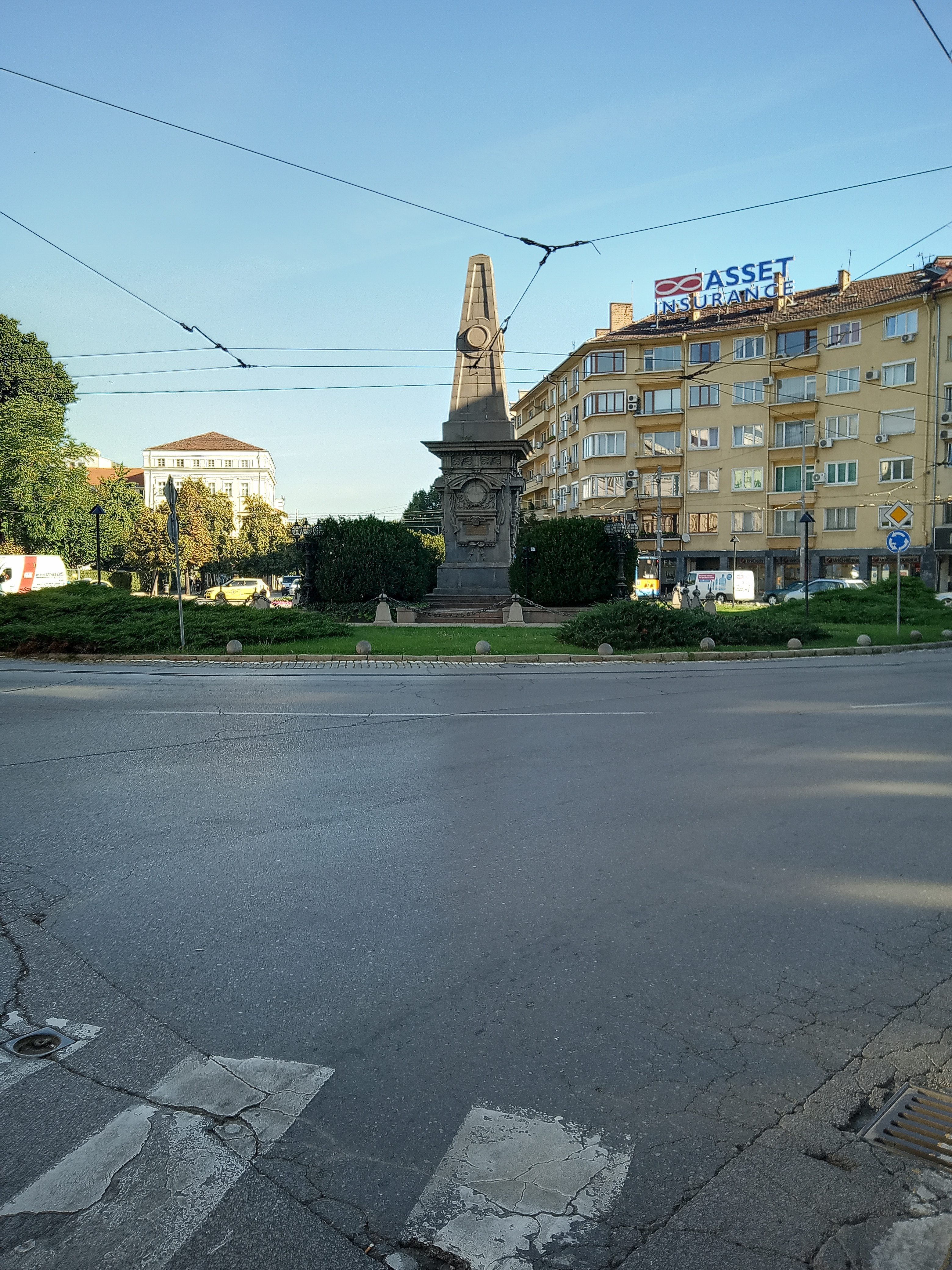
The monument to Vasil Levski was inaugurated in Sofia, turning one of the capital’s central spaces into a permanent site of national remembrance. Levski had been executed by the Ottoman authorities in 1873, and by the late nineteenth century his image was becoming central to Bulgaria’s civic identity. The ceremony included a memorial service, procession, public speeches, and participation by officials, teachers, students, military officers, and citizens. The monument mattered because it gave physical form to the memory of the Apostle of Freedom and helped define how the young Bulgarian state honoured revolutionary sacrifice. Over time it became one of Sofia’s most solemn landmarks, a place where state ceremonies, school commemorations, and public grief continue to gather around Levski’s legacy.
October 22, 2008 — Bulgarian RADOM Instrument Goes to Space aboard Chandrayaan-1
India launched Chandrayaan-1, its first unmanned mission to the Moon, carrying eleven scientific payloads, including the Bulgarian-made RADOM radiation spectrometer. The instrument, also known internationally as Liulin, was designed to measure absorbed space radiation and reflected the long tradition of Bulgarian participation in space research. Its presence on an Indian lunar mission showed how Bulgarian science could contribute to international projects far beyond the country’s size. The launch also connected two important scientific stories: India’s first major step toward lunar exploration and Bulgaria’s continuing expertise in cosmic radiation measurement. For Bulgarian researchers, RADOM was not only a technical achievement but a reminder that the country’s scientific community had remained active in space instrumentation after the end of the Cold War.
Continue with October 21 or October 23. For more stories and places, explore Bulgaria From Above and the guides in our Bulgaria category on Bronicable.