November 7, 1866 — The Rousse-Varna Railway Is Inaugurated
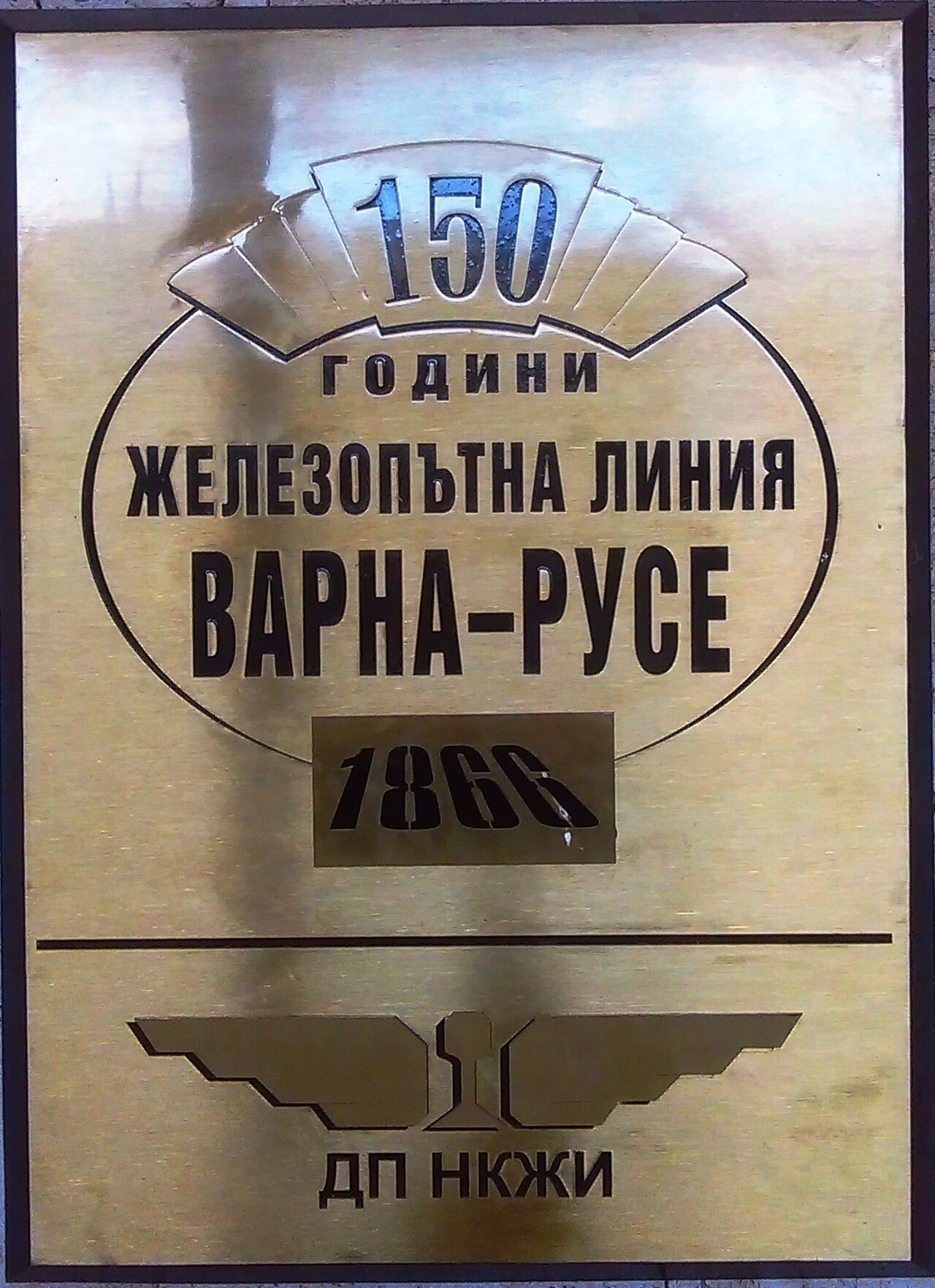
On November 7, 1866, Midhat Pasha, governor of the Danube Vilayet, inaugurated the Rousse-Varna railway, the first railway line in what is now Bulgaria. Built by the British company William Gladstone & Barkley Brothers, the 224-kilometre route linked the Danube port of Rousse with the Black Sea port of Varna. Its purpose was strategic and commercial: goods, passengers, officials, and military supplies could move between river and sea far more quickly than before. Although built under Ottoman rule, the line later became part of Bulgaria’s national transport system after the country purchased it in 1888. The railway marked an early stage in the modernization of Bulgarian lands, connecting local economies to wider European and Black Sea trade routes.
November 7, 1946 — Bulgaria’s Sixth Grand National Assembly Convenes
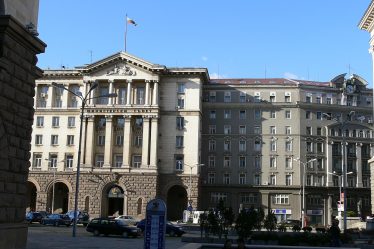
On November 7, 1946, the Sixth Grand National Assembly convened after Bulgaria had abolished the monarchy and proclaimed a republic. Its central task was to design the constitutional framework of the new political order. The Assembly later adopted the first Constitution of the People’s Republic of Bulgaria on December 4, 1947, creating the legal basis for the communist-dominated state that would govern the country for decades. The body operated in a period of strong Soviet influence, political pressure, and rapid transformation of institutions, property, and public life. Its work therefore stands at a decisive turning point: Bulgaria was no longer simply recovering from war, but being reorganized into a one-party socialist system.
Continue with November 6 or November 8. For more stories and places, explore Bulgaria From Above and the guides in our Bulgaria category on Bronicable.