Two chapters of Bulgaria’s history fall on January 16 — one from the 19th century, one from the 20th — and together they show how deeply transformation has shaped the country.
January 16, 1878 — Plovdiv Is Liberated from Ottoman Rule
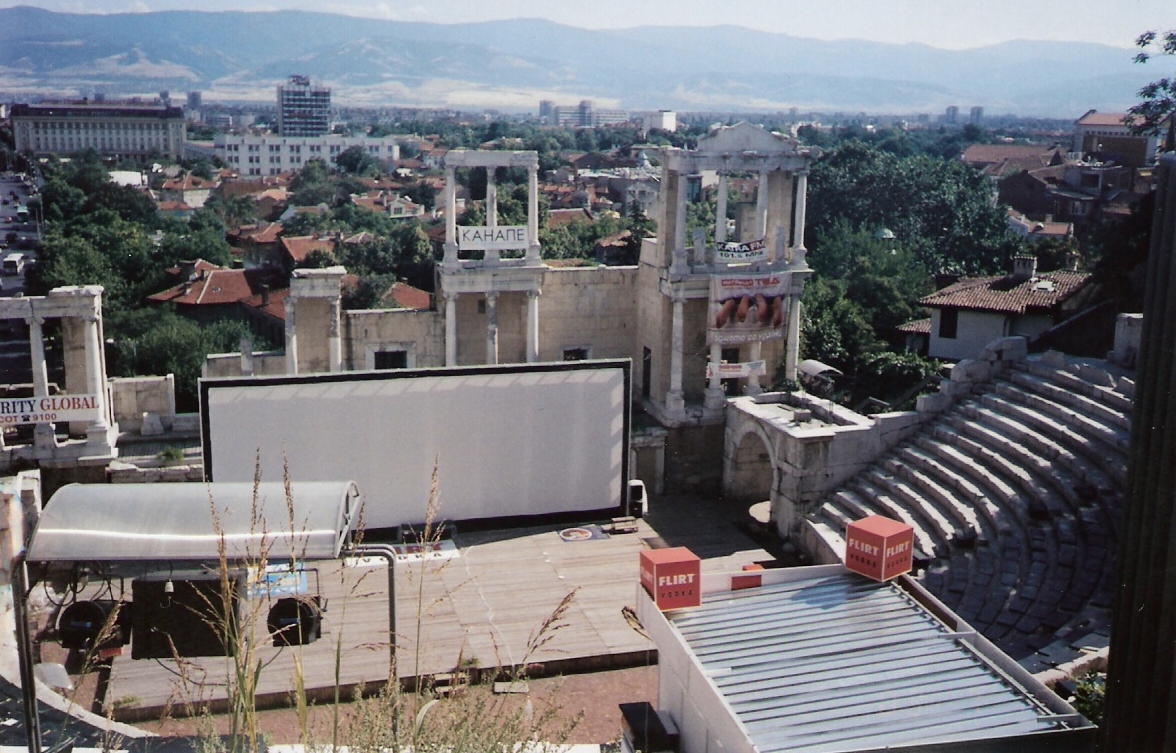
During the Russo-Turkish War of 1877–1878, Russian forces entered Plovdiv and ended Ottoman rule over one of Europe’s oldest continuously inhabited cities. The liberation brought immediate change: new municipal institutions replaced the old administrative order, and Bulgarian civic life — schools, newspapers, theatres, merchant associations — began to reassert itself.
The Treaty of Berlin, signed later that year, made Plovdiv the capital of Eastern Rumelia, an autonomous Ottoman province with a Bulgarian majority. That status placed the city at the centre of diplomacy, culture, and the movement for national unity. The networks and leaders that emerged in Plovdiv over the following years helped drive the Unification of 1885 and gave modern Bulgaria much of its early cultural confidence.
January 16, 1990 — National Roundtable Talks Begin
Weeks after the fall of Todor Zhivkov, the Bulgarian Communist Party and opposition organizations sat down together for the first session of National Roundtable Talks. The agenda covered questions that would define post-communist Bulgaria: free elections, constitutional reform, party legality, media access, civil rights, and the future of institutions built under one-party rule.
The process was tense and imperfect, but it moved political conflict out of the streets and into a negotiated public format. The agreements that emerged prepared the ground for the first competitive elections and the drafting of a new constitution. Bulgaria’s democratic transition had found its table.
January 16 has more to offer — explore January 15 and January 17 in this series, or take a different angle through Bulgaria From Above and our guides to Bulgaria.