November 22, 1888 — Parliament Passes Bulgaria’s First Bar Act
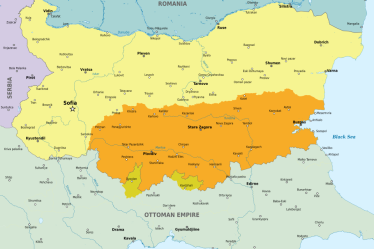
On November 22, 1888, the Bulgarian Parliament passed the country’s first Bar Act, an important step in organizing the modern legal profession after Liberation. The act helped define the role of lawyers in the new state and placed legal representation within a clearer institutional framework. In the decades after 1878, Bulgaria was rapidly building courts, ministries, laws, and professional bodies capable of supporting constitutional government. A regulated bar was part of that process, because citizens, businesses, and public institutions needed trained advocates who could operate according to recognized rules. The act also reflects the broader legal modernization of the Principality of Bulgaria, which was adapting European legal models while creating its own professional traditions. It marked an early foundation for the organized Bulgarian legal community.
November 22, 1990 — Bulgaria Removes the Coat of Arms from Its Flag
On November 22, 1990, the Seventh Grand National Assembly amended Bulgaria’s Constitution and removed the state coat of arms from the national flag. The change came during the country’s transition away from communist rule and had strong symbolic meaning. The previous flag of the People’s Republic of Bulgaria included the socialist-era coat of arms, with imagery tied to the political order that had dominated the country since 1946. Restoring the plain white-green-red tricolour was a way to separate the national flag from party-state symbolism and reconnect it with older Bulgarian state traditions. The decision did not by itself complete the political transition, but it visibly marked a new public identity at a time when institutions, laws, and political language were all being rewritten.
Continue with November 21 or November 23. For more stories and places, explore Bulgaria From Above and the guides in our Bulgaria category on Bronicable.