December 3, 1928 — Bulgaria Stabilizes the Lev and Monetary Circulation
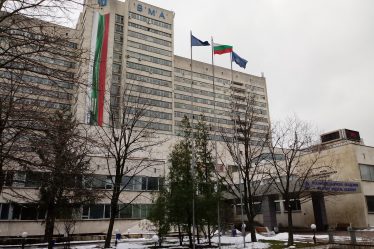
On December 3, 1928, the Act on Stabilizing the Lev and Monetary Circulation was published in the State Gazette. The law restored the exchangeability of the lev into gold, marking an important moment in Bulgaria’s interwar financial policy. After the First World War, Bulgaria faced reparations, inflation, political instability, and the difficult task of rebuilding confidence in its currency. Monetary stabilization was meant to support trade, savings, credit, and public trust in the state’s finances. Like similar measures in other European countries during the 1920s, it reflected the desire to return to predictable money after wartime disruption. The policy also connected Bulgaria to the wider gold-standard thinking of the era. Although later global crisis would challenge such arrangements, the 1928 law was a major attempt to anchor the economy.
December 3, 2006 — GERB Is Established in Sofia
On December 3, 2006, GERB was established in Sofia, with Boyko Borissov as its informal leader and Tsvetan Tsvetanov elected chairman. The party was officially registered in March 2007 and quickly became a central force in Bulgarian politics. Its creation came during a period of public frustration with corruption, weak institutions, and the political class of the transition years. GERB presented itself as a movement for stronger governance, security, and European development, drawing support from Borissov’s popularity as Sofia mayor and former Interior Ministry official. Within only a few years, the party won national elections and reshaped Bulgaria’s party system. The founding date is therefore more than an organizational milestone: it marks the emergence of a political force that would dominate much of Bulgaria’s public life in the 21st century.
Continue with December 2 or December 4. For more stories and places, explore Bulgaria From Above and the guides in our Bulgaria category on Bronicable.