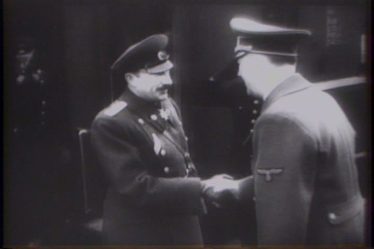
On January 10, 1944, around 180 RAF and USAAF bombers, escorted by fighter aircraft, attacked Sofia.
January 10, 1944 — Sofia Suffers Its Worst Allied Bombing Raid
The attack was the worst air raid the Bulgarian capital experienced during the Second World War. The number of aircraft is the clearest concrete detail: around 180 RAF and USAAF bombers took part, with fighter aircraft providing an escort.
Hundreds of people were killed, many more were wounded, and thousands of public and private buildings were damaged or destroyed. Bulgaria was allied with Nazi Germany at the time, but the bombs fell on a city of civilians. The damage reached far beyond military targets and disrupted everyday life in Sofia.
The destruction left physical and emotional scars that lasted long after the war ended. The damage to Sofia’s buildings gave the raid a lasting place in the memory of the capital.
January 10, 1997 — Opposition Protests Escalate during Bulgaria’s Winter Crisis
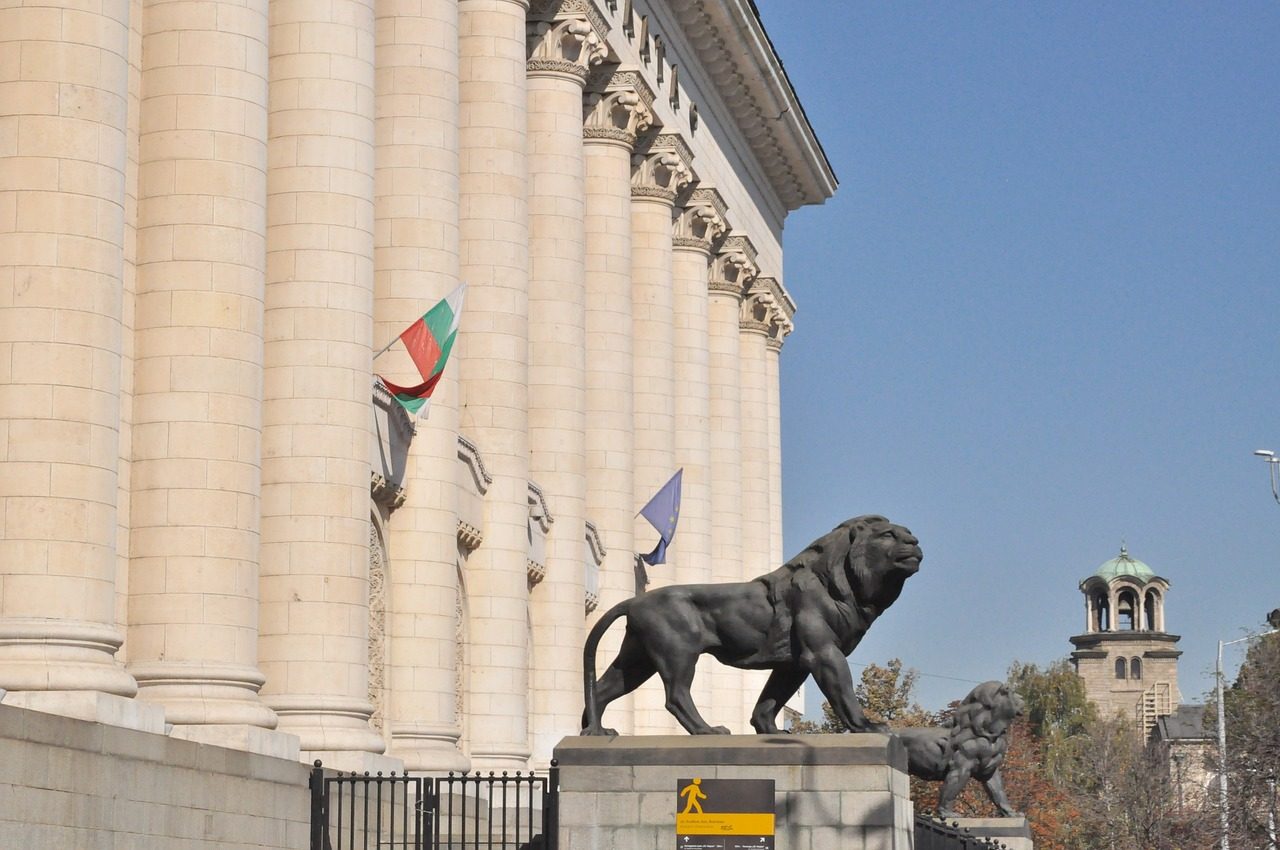
The opposition walked out of Parliament and called for civil disobedience during Bulgaria’s severe political and economic crisis of 1996–1997. The walkout is the event’s defining concrete action: opposition representatives left Parliament while the crisis continued.
Hyperinflation and bank failures had weakened the economy, while shortages and collapsing public confidence brought the country to a breaking point. Protests outside Parliament became a symbol of citizens demanding early elections and a different direction.
Opposition representatives, Parliament and the crowds outside it became visible parts of the January 10 confrontation. The protests gave the crisis a physical location in central Sofia.
Related reading: Revisit the previous day — January 9; continue to the next day — January 11; and browse Travel.