Two events separated by 77 years give March 11 a distinctive place in Bulgaria’s history — one unsolved and shadowy, the other a leap into international science.
March 11, 1922 — A Bomb Explodes at the US Legation in Sofia
On March 11, 1922, a bomb detonated at the United States Legation in central Sofia. No casualties were reported, and no perpetrator was ever identified. The incident belonged to the turbulent political atmosphere of postwar Bulgaria — a country contending with the consequences of defeat, social polarization, and ideological radicalization.
Diplomatic missions embodied foreign presence, so even an attack without victims carried weight far beyond the explosion itself. The event remains one of those small but telling episodes of the early 1920s, when institutional instability left its mark on everyday life in the capital.
March 11, 1999 — Bulgaria Joins CERN
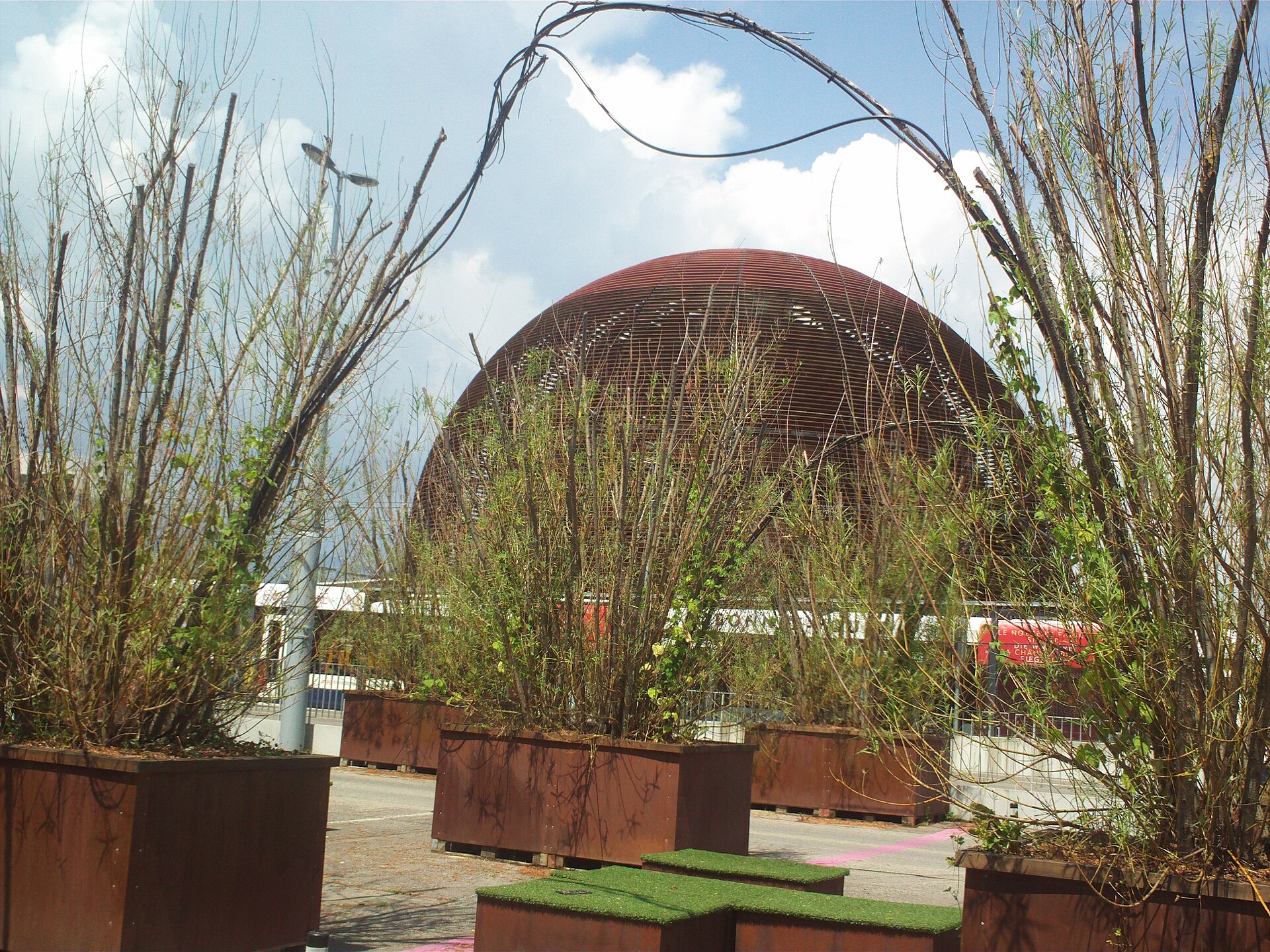
On March 11, 1999, Bulgaria formally joined the European Organization for Nuclear Research — CERN — connecting its scientific community to one of the world’s foremost centres for particle physics. Membership gave Bulgarian researchers access to major experiments, shared infrastructure, and a vast network of knowledge exchange that would have been impossible to build alone.
The date also sits within Bulgaria’s broader post-1989 integration into European institutions. Joining CERN was both a scientific milestone and a symbolic statement: Bulgarian researchers now had a seat at the table where some of the most ambitious questions in modern physics were being pursued.
Discover more of Bulgaria’s past and present on Bronicable — from our Bulgaria From Above aerial series to travel guides across the country. More from this series: March 10 | March 12