Sport and agrarian reform may seem worlds apart, but both shaped Bulgarian society in lasting ways — and March 12 in Bulgaria’s history belongs to both.
March 12, 1912 — PFC Botev Plovdiv Is Established
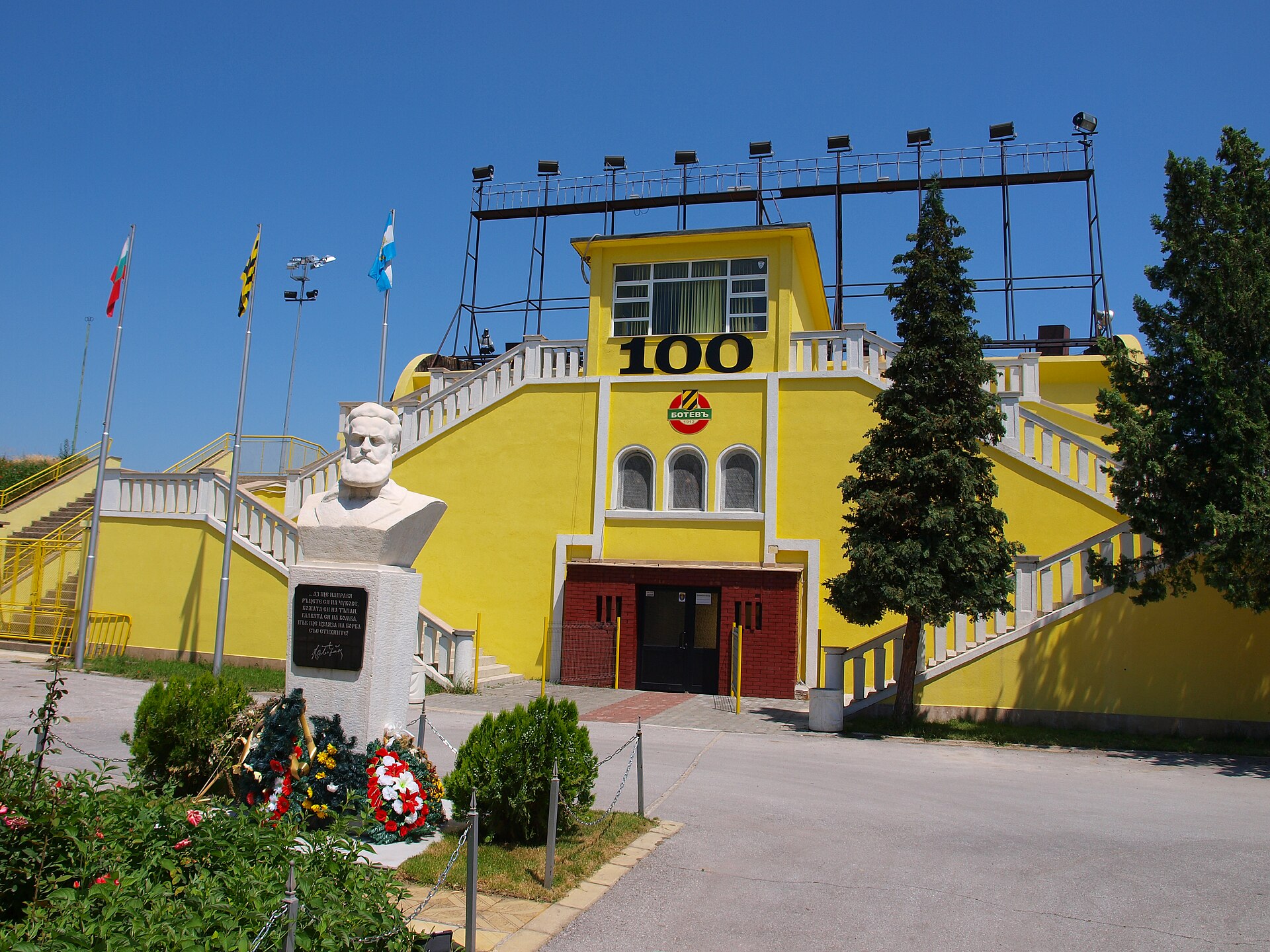
On March 12, 1912, the football club Botev Plovdiv was founded, named after poet and revolutionary Hristo Botev. From the outset it was more than a sporting institution: it grew into a symbol of Plovdiv’s civic identity, carrying the loyalty of generations of supporters through victories, relegations, and everything in between.
Like other early clubs in Europe, Botev emerged at a time when organized sport was becoming woven into modern urban life. Stadiums, colours, local memory, and shared passion turned the club into a community fixture. March 12 marks not just a founding date, but the beginning of a tradition that has outlasted empires and political systems alike.
March 12, 1946 — Parliament Passes the Earned Landed Property Act
On March 12, 1946, Bulgaria’s Parliament passed the Earned Landed Property Act, a law that helped set in motion the collectivization of agriculture under communist rule. Land had deep personal meaning for Bulgarian rural families — it was inheritance, labour, and security bound together — and the act began dismantling the structure of private peasant farming.
Collectivization would go on to reshape villages, reshape family strategies, and reshape the relationship between state and countryside for decades. March 12 therefore marks a legal step with long human consequences, felt most sharply in the communities where the land had always been the measure of everything.
There’s always more to explore in Bulgaria’s story — visit Bronicable for our guides to Bulgaria and the Bulgaria From Above aerial collection. Continue reading: March 11 | March 13