A postal innovation from the early years of the Bulgarian state and a health-system overhaul from the late 1990s share a date — and a common theme: making essential services reach everyone.
March 15, 1882 — The First Postal Money Order Is Issued in Bulgaria
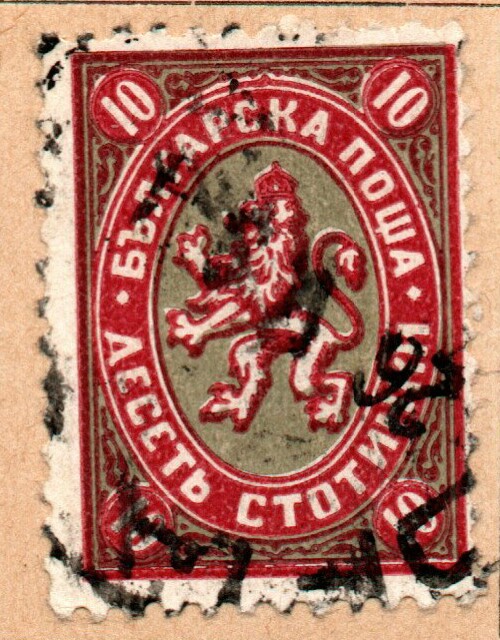
On March 15, 1882, the first postal money order in Bulgaria was issued. In the decades after liberation, the postal network was one of the most important connective tissues of the new state, linking families, traders, officials, and migrants across geography and distance. A money order allowed funds to travel through an official channel — reliably, traceably, without the risks of carrying cash.
The detail may seem minor, but it belonged to the wider project of making a modern state work: building the infrastructure of trust that allows economic and social life to function. March 15 marks one of those practical innovations that quietly changed daily life without announcing itself.
March 15, 1999 — The National Health Insurance Fund Starts Functioning
On March 15, 1999, Bulgaria’s National Health Insurance Fund officially began operations, marking a central moment in the post-communist reform of healthcare financing. The new institution replaced earlier models of fully state-administered provision with an insurance-based system, reshaping the relationship between patients, doctors, employers, and the public budget.
Health reform is rarely straightforward, because it affects the most personal dimension of public policy: access to care. The fund’s launch was contested and its work has continued to evolve through debate and adjustment, but March 15 stands as the operational starting point of modern Bulgarian health insurance — a structural change that millions of people feel every time they visit a clinic.
Read more about Bulgaria at Bronicable, including the Bulgaria From Above series and our travel guides. More from this series: March 14 | March 16