From the formation of an early Bulgarian government to the cautious reopening of diplomatic channels across the Cold War divide — March 24 sits at two very different moments of political reckoning in Bulgaria’s history.
March 24, 1880 — Dragan Tsankov Forms a New Government
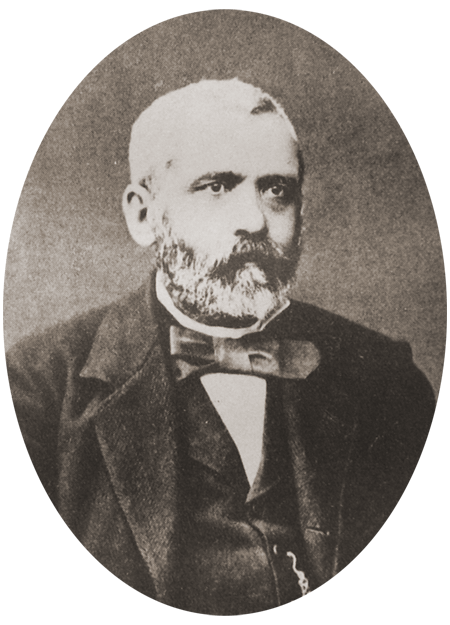
On March 24, 1880, Dragan Tsankov formed a new government in the young Principality of Bulgaria. Tsankov was one of the leading figures of the Liberal current after liberation, and his cabinet was part of the rapid, sometimes turbulent work of turning constitutional principles into functioning institutions. Finance, administration, justice, education, and relations with the Great Powers all needed frameworks almost from scratch.
Political life in those first years was energetic, factional, and never quite stable — but it was also foundational. The habits, offices, and arguments of these early governments shaped what Bulgarian parliamentary life would become. March 24 belongs to that formative moment: the practical birth of modern Bulgarian politics, one cabinet at a time.
March 24, 1959 — Bulgaria Reactivates Diplomatic Relations with the United States
On March 24, 1959, Bulgaria reactivated its diplomatic relations with the United States after they had been suspended in 1950. The Cold War had made the relationship distant, ideologically charged, and formally broken — but even hostile states need ways to communicate, manage consular matters, and maintain minimal official contact. Reopening channels did not dissolve the divide, but it allowed it to be navigated.
The reactivation was later followed by an upgrade to full embassy level, and the relationship evolved significantly across subsequent decades. March 24 marks a cautious but real restoration of dialogue: two countries on opposite sides of the twentieth century’s great ideological fault line deciding that some form of contact was better than none.
More from Bulgaria’s March: March 23 | March 25. Learn more about the country in our Bulgaria travel guides and Bulgaria From Above.