From a medieval church claiming its own patriarch to the election of a modern prince, April 17 gathers two turning points in Bulgaria’s history.
April 17, 919 — The Bulgarian Archbishopric Becomes a Patriarchate
On April 17, 919, the Bulgarian autonomous archbishopric was proclaimed an independent patriarchate on the initiative of Tsar Simeon I. This was a major act in the religious and political history of the First Bulgarian Empire, signaling spiritual independence and imperial ambition and strengthening Bulgaria’s position among the Christian powers of medieval Europe.
Under Simeon, Bulgaria reached extraordinary cultural and political heights, and church status was part of that broader vision. Recognition, hierarchy, liturgy, and literature all mattered in a world where spiritual authority supported state prestige.
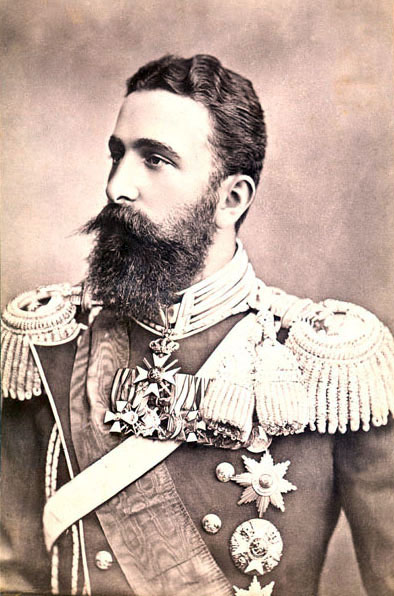
April 17, 1879 — Alexander of Battenberg Is Elected Prince of Bulgaria
On April 17, 1879, the First Grand National Assembly convened in Tarnovo and elected Alexander of Battenberg as Prince of Bulgaria. The decision came immediately after the adoption of the Tarnovo Constitution and gave the restored principality its first head of state.
Alexander’s reign would be marked by political conflict, the Unification of 1885, war with Serbia, and eventual abdication. His election was nevertheless foundational — Bulgaria moved from provisional administration toward constitutional monarchy — and the choice reflected the influence of the Great Powers and the delicate international position of the new state.