On April 27, Bulgaria looks back at two moments that speak to very different kinds of power: constitutional authority and modern infrastructure. The first changed the political balance in the young Principality of Bulgaria, while the second marked a visible step in the modernization of the country’s railway network.
1881: A coup suspends the Tarnovo Constitution
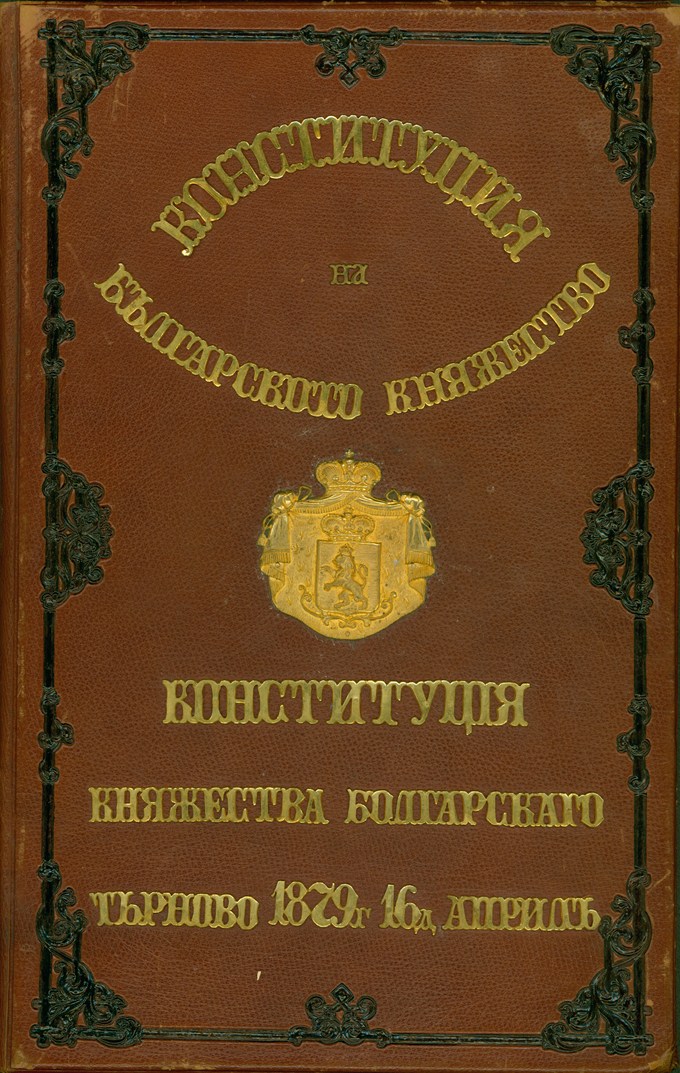
On April 27, 1881, a coup ousted the government of Petko Karavelov and suspended the Tarnovo Constitution. Adopted only two years earlier, the constitution had given the newly restored Bulgarian state one of the most liberal constitutional frameworks in Europe at the time. Its suspension opened a period often associated with the so-called regime of extraordinary powers under Prince Alexander I of Battenberg. The episode revealed how fragile the balance between monarchic authority, party politics, and constitutional rule could be in a young state still defining its institutions. For Bulgarian political history, the event is important because it showed that liberation and statehood did not automatically settle the question of governance. The defense, limitation, and restoration of constitutional life remained central themes in the first decades after 1878.
1963: The Sofia-Plovdiv electrified railway is inaugurated
On April 27, 1963, Bulgaria inaugurated its first electrified railway line, a 156-kilometre route between Sofia and Plovdiv. The line connected the capital with one of the country’s largest and most important cities, improving speed, reliability, and capacity on a key transport corridor. Electrification was more than a technical upgrade. It reflected the broader mid-twentieth-century drive to modernize industry, transport, and regional connections under a centrally planned economy. Railways had long been crucial to Bulgarian development, linking towns, ports, factories, and agricultural regions. The Sofia-Plovdiv project therefore carried symbolic weight as well: it showed the state’s ambition to reshape mobility through engineering and infrastructure. The route remains one of the country’s most important rail arteries, and its electrification marked a milestone in Bulgaria’s transport history.
Read about April 26 or continue with April 28. For more stories, explore Bulgaria From Above.