On April 29, Bulgaria remembers a military milestone from the struggle for liberation and a later transport achievement from the socialist period. Together, they show two forms of national organization: volunteers taking shape as an armed force, and engineers connecting the country through electrified railways.
1877: The Bulgarian volunteer unit becomes the Opulchenie
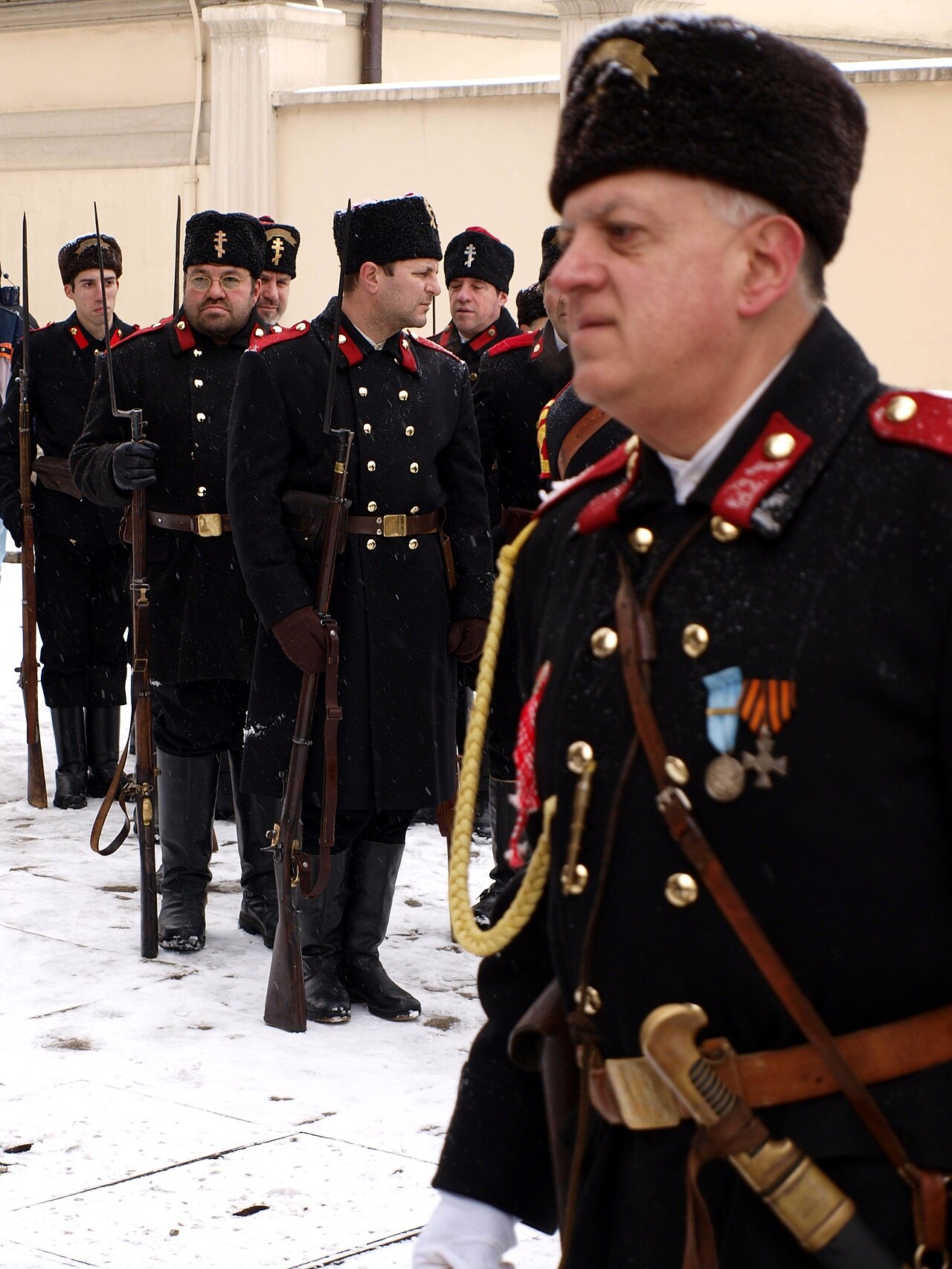
On April 29, 1877, the Bulgarian voluntary army unit was transformed into the Bulgarian Opulchenie. The formation included thousands of Bulgarian volunteers and officers and soon took part in the Russo-Turkish War of 1877-1878. Its creation was one of the most important steps in turning patriotic commitment into organized military service. The Opulchenie is especially remembered for its role in the defence of the Shipka Pass, where Bulgarian volunteers and Russian troops resisted Ottoman forces in battles that became central to the national memory of liberation. The date matters because it marks the institutional shaping of a volunteer force that carried enormous symbolic weight. These men were not merely auxiliary fighters; they became a living argument that Bulgarians were ready to participate in their own liberation.
1980: A major electrified railway ring opens
On April 29, 1980, Bulgaria opened the first electrified railway ring linking Sofia, Gorna Oryahovitsa, Dubovo, Karlovo, and back to Sofia. The project was an important transport milestone, strengthening connections between the capital, Central Bulgaria, and key railway junctions. Electrified rail routes offered better efficiency and supported the movement of passengers, goods, industrial output, and military logistics. In the late twentieth century, rail infrastructure remained one of the backbones of Bulgarian mobility, especially before the expansion of modern highways. The ring also reflected the state’s investment in a networked model of development, where regional centres were linked through planned transport corridors. While less dramatic than battles or political turning points, such infrastructure shaped daily life, economic geography, and the practical experience of travelling through Bulgaria.
Read about April 28 or continue with April 30. For more stories, explore Bulgaria From Above.