May 15 recalls the political division of the Bulgarian lands after the Treaty of Berlin and the role of literature in shaping national memory.
May 15, 1879 — Alexander Bogoridi Becomes Governor of Eastern Rumelia
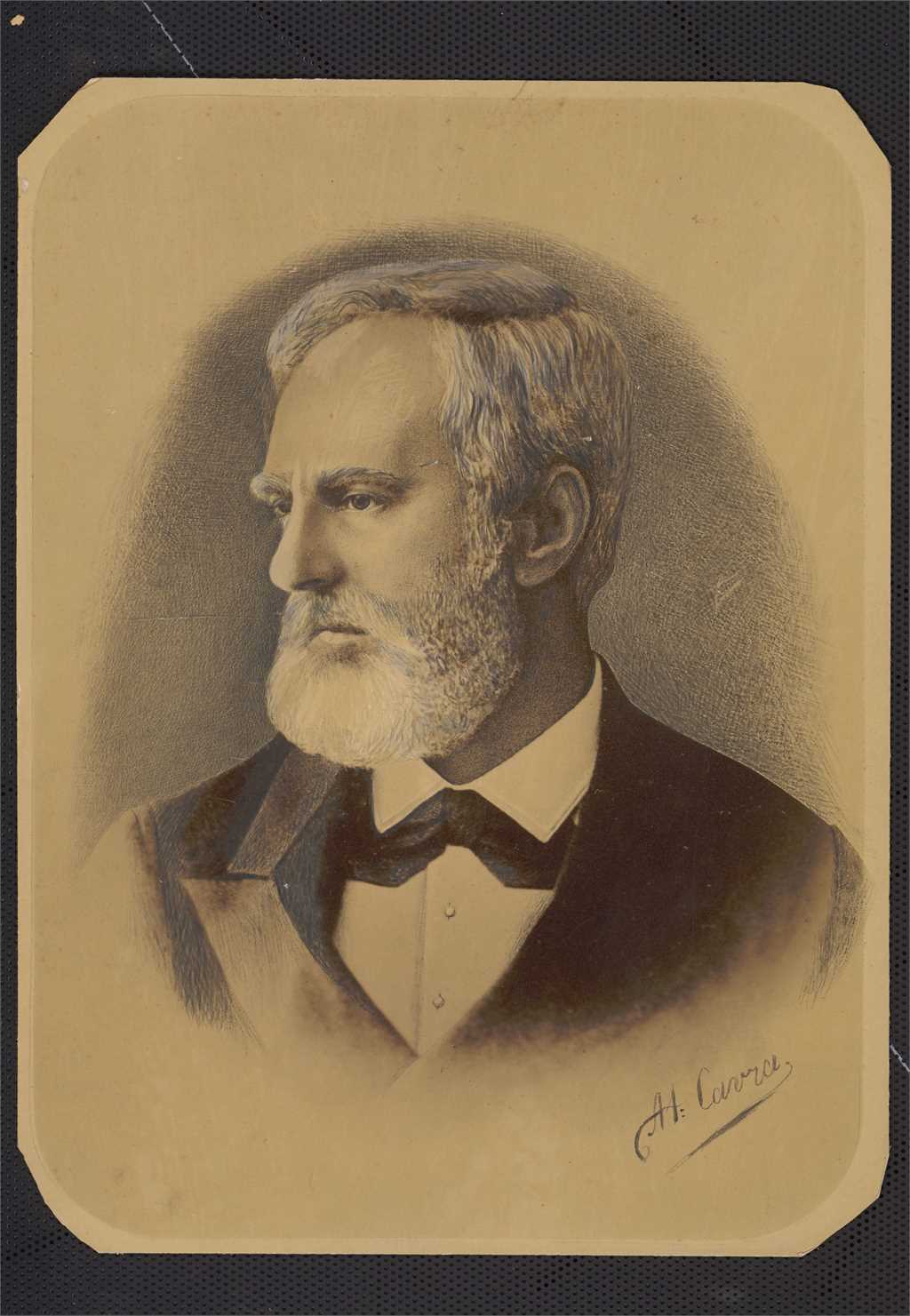
On May 15, 1879, Alexander Bogoridi took office as governor-general of Eastern Rumelia. He remained in the position until 1884. The province had been created by the Treaty of Berlin as an autonomous Ottoman territory, separate from the Principality of Bulgaria. To many Bulgarians, this division seemed unjust and temporary because it split the political space that had been liberated after the Russo-Turkish War.
Bogoridi’s appointment began a period in which Eastern Rumelia had to develop its own administration, institutions and public life while remaining under the sovereignty of the Ottoman Empire. The question of the province’s relationship with the Principality did not disappear. It became a permanent part of Bulgarian political discussion and helped prepare the ground for the later Unification.
May 15, 1892 — Stoyan Mihaylovski Writes “Kirili Metodiy”
On May 15, 1892, Stoyan Mihaylovski wrote the poem “Kirili Metodiy.” It later became known by its opening line, “Walk on, revived people,” and became the text of Bulgaria’s best-known educational hymn. In it, Saints Cyril and Methodius appear as symbols of knowledge, literacy and cultural memory.
The poem did not remain only on the page. On May 24, 1901, it was performed ceremonially for the first time in Lovech. Over time, the song became a natural voice for the celebration of Bulgarian education and culture. Its strength lies in a simple but clear message: education is not decoration, but a foundation of community and national confidence.
May 15 connects state-building with cultural identity. One event shows how difficult it was to organise the Bulgarian lands after 1878; the other shows how literature could give society words with which to speak about its past and its future.