June 12 brings together two different aspects of public life: civic mobilisation after the 1990 elections and the international campaign against child labour.
June 12, 1990 — Post-Election Civic Mobilisation Continues
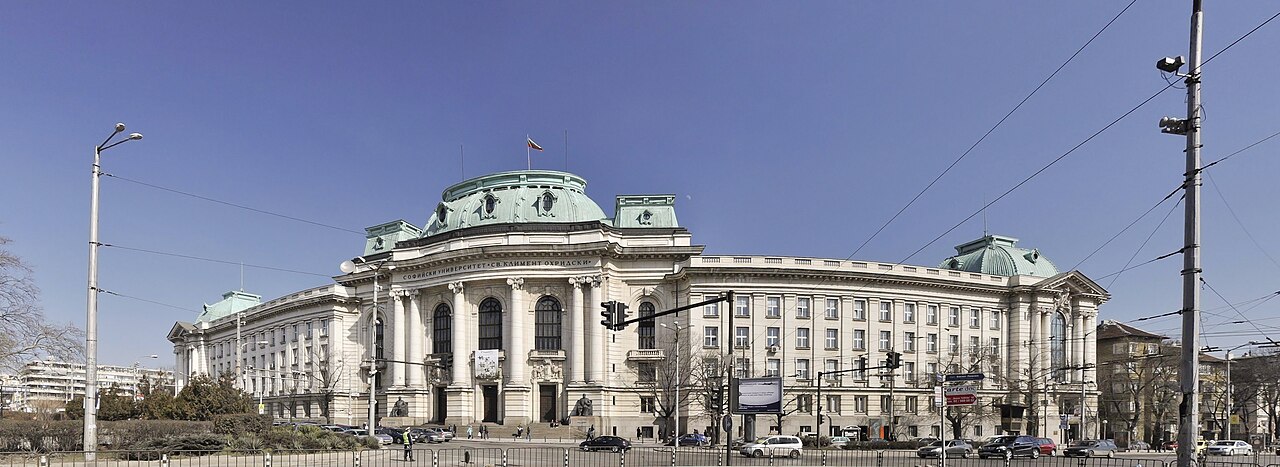
On June 12, 1990, student occupations and public demonstrations continued after Bulgaria’s first competitive national election in decades. Protesters questioned aspects of the electoral process and demanded greater transparency from institutions navigating the transition from one-party government to pluralist democracy.
The actions showed that political change did not end on election day. After the votes had been counted and the results announced, citizens continued to ask for answers, openness and confidence in the procedures. Student occupations turned universities into places of debate and made youth participation one of the most visible features of the early democratic transition.
June 12 remains part of the process through which protest became recognised as a legitimate instrument of civic life. It also shows how difficult it was to build trust while institutions were changing and the rules of political competition were still taking shape.
June 12, 2002 — Bulgaria Joins the World Day Against Child Labour
June 12 is observed as the World Day Against Child Labour, launched by the International Labour Organization in 2002. In Bulgaria, the observance connects international labour standards with national policies on compulsory education, workplace safety and protection from exploitation.
The day draws attention to work that can remain hidden in the informal economy and deprive children of education, security and healthy development. Addressing the problem requires coordination between schools, families, employers and public institutions.
June 12 therefore places two forms of civic responsibility side by side: the right to demand transparency from the state and the duty to protect children from exploitation.
Both themes remind us that change has everyday consequences. Democratic procedures must be understandable and open to scrutiny, while social policy must be consistent enough to protect those who are most vulnerable.