February 24 carries two very different weights in Bulgaria’s history — a wartime maritime tragedy that claimed hundreds of lives, and an institutional moment in the life of the Bulgarian Orthodox Church.
February 24, 1942 — The Ship Struma Is Sunk near the Bosphorus
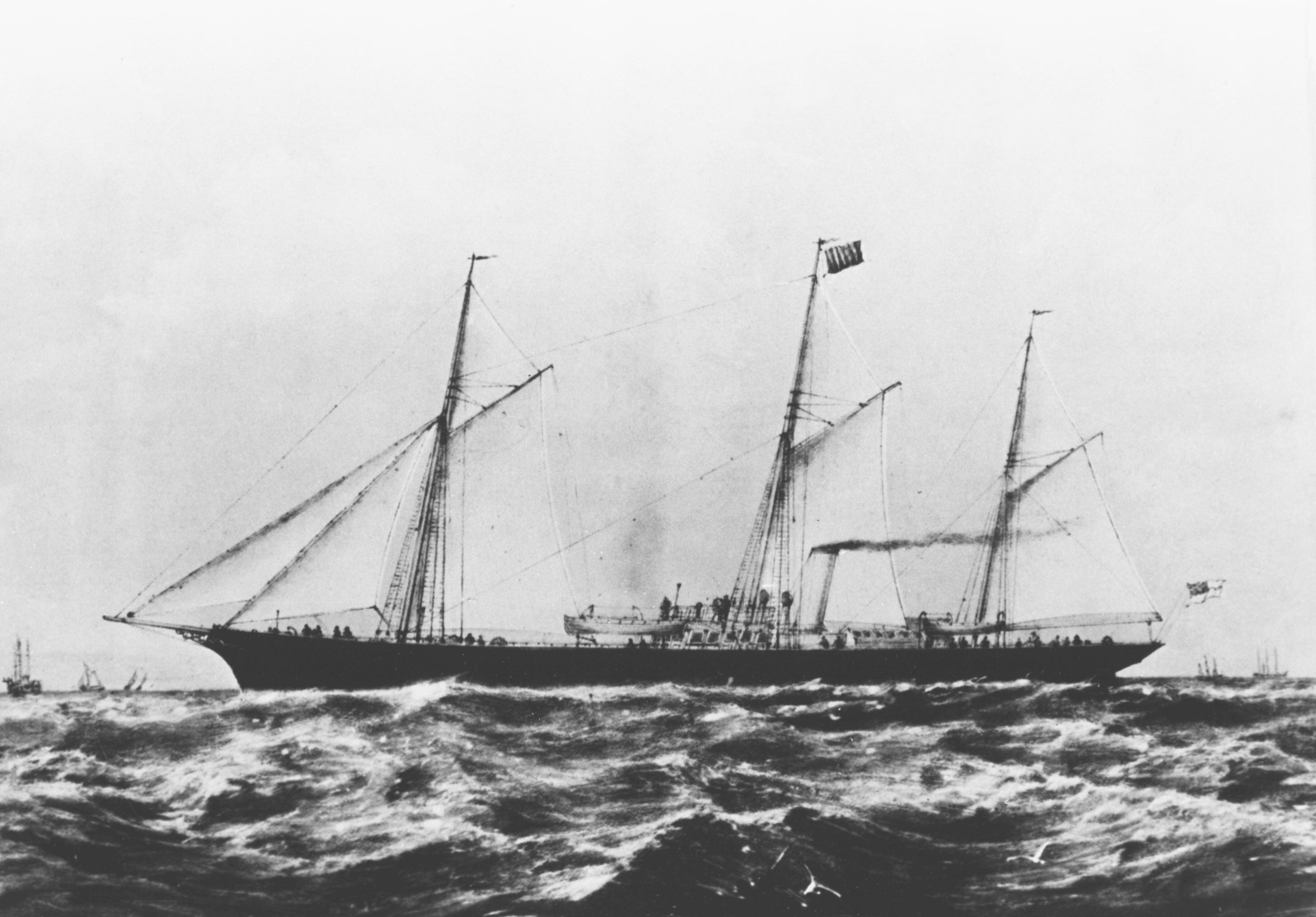
The Soviet submarine Shch-213 sank the Bulgarian ship Struma near the Bosphorus with 778 Jewish refugees and 13 Bulgarian crew members on board. The passengers had been trying to escape persecution in wartime Europe and reach safety, but the ship became trapped by bureaucracy, diplomacy, suspicion, and indifference. Almost everyone aboard died.
The Bulgarian connection gives the event a painful place in the country’s wartime memory, linking Black Sea shipping, Jewish flight, and the larger catastrophe of European antisemitism. The tragedy of the Struma is a reminder of how war turns borders, papers, and delays into matters of life and death.
February 24, 2013 — Neophyte Is Elected Bulgarian Patriarch
Metropolitan Neophyte of Ruse was elected Bulgarian Patriarch and Metropolitan of Sofia. His election came after the death of Patriarch Maxim, who had led the Bulgarian Orthodox Church for more than four decades. The choice of a new patriarch mattered not only to church life but also to public symbolism, because Orthodoxy remains deeply tied to Bulgarian identity, ritual, and historical memory.
Neophyte inherited a church facing modern challenges: secularization, internal divisions, relations with the state, and the need to speak to younger generations. His election represented continuity, but also a new pastoral chapter — a significant institutional moment in the recent life of the Bulgarian church and its role in society.
Read the neighboring entries: February 23 and February 25. You can also browse Bulgaria From Above and our guides to the country.