June 17 pairs two chapters of Bulgaria’s history that both test how power is checked and changed: the Constitutional Court’s first open session in 1999 and one of the most surprising election results of the post-1989 era, in 2001.
June 17, 1999 — The Constitutional Court Holds Its First Public Hearing
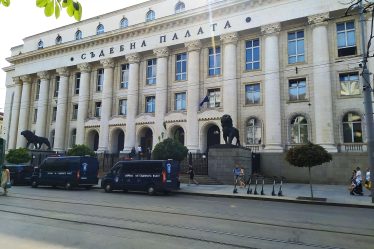
On June 17, 1999, Bulgaria’s Constitutional Court held its first public hearing. Established under the 1991 Constitution, the court judges whether laws and institutional acts square with the fundamental law and settles disputes between the major organs of state.
Opening its proceedings to the public made constitutional review more transparent, letting citizens, journalists and lawyers follow arguments in cases that could shape elections, institutions and individual rights. It was one step in the slow building of constitutional culture after 1989, when young democratic institutions still had to earn trust and show how they worked.
June 17, 2001 — Elections Are Held for the 39th National Assembly
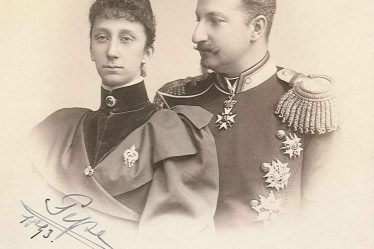
On June 17, 2001, Bulgarians elected the 39th National Assembly. The newly formed National Movement Simeon II, led by former king Simeon Saxe-Coburg-Gotha, won decisively after a campaign promising a fast rise in living standards and a fresh style of governing.
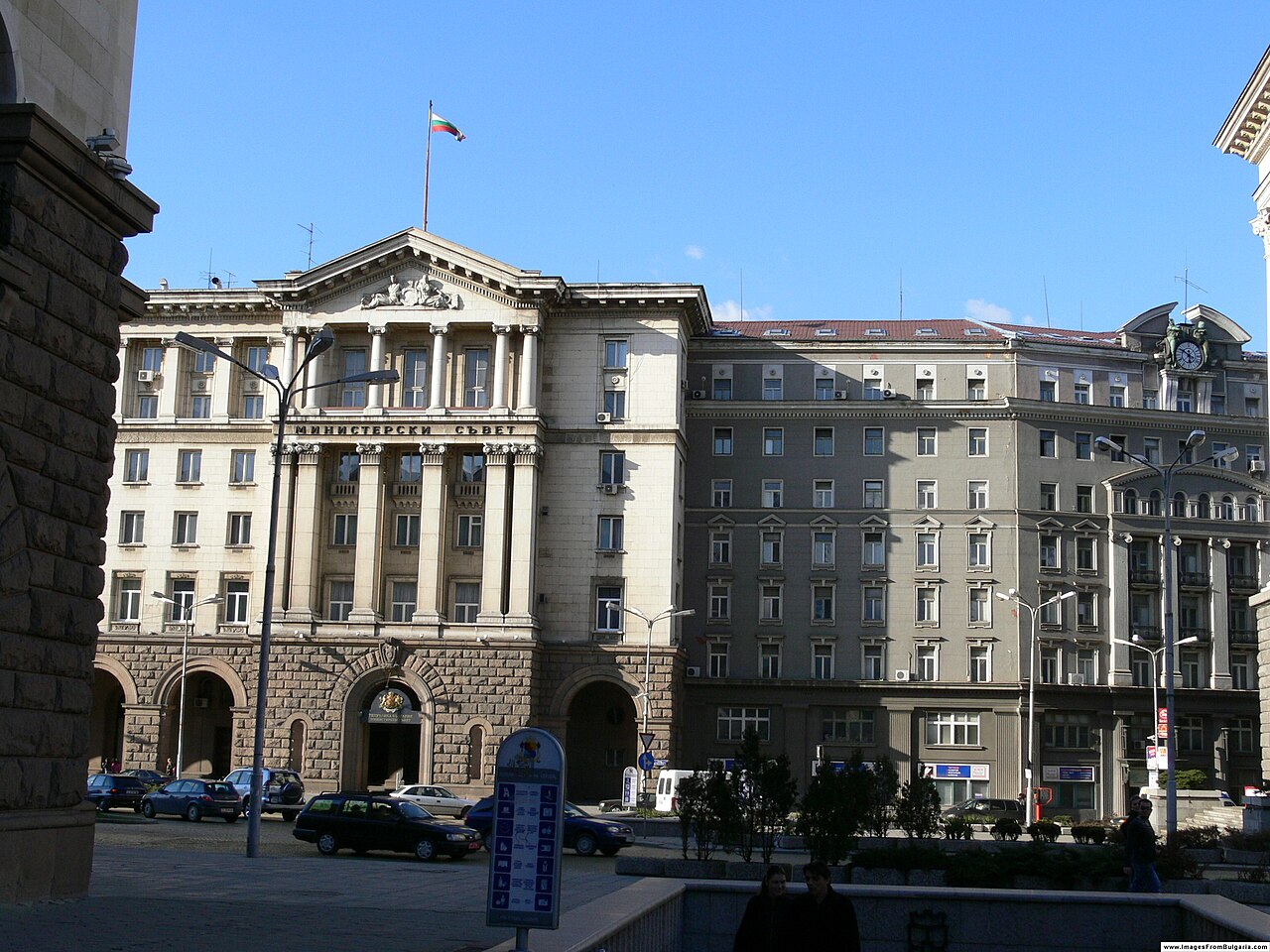
The outcome reshaped the party system and carried Simeon Saxe-Coburg-Gotha into the prime minister’s office—a striking return to public life decades after the monarchy was abolished. It laid bare how volatile opinion had become during the transition, and the government that followed kept pressing Bulgaria’s bid for NATO and European Union membership.