September 26 sets two very different scenes from Bulgaria’s history side by side: a catastrophic medieval defeat on the Maritsa in 1371, and, more than five centuries later, a monarch quietly borrowing the past to legitimise a new state in 1908.
September 26, 1371 — Battle of Chernomen
On September 26, 1371, an Ottoman force routed a large Christian army led by the Serbian rulers Jovan Uglješa and Vukašin Mrnjavčević at the Battle of Chernomen, fought on the Maritsa River. The Christian coalition was shattered, and with it much of the military strength that might have resisted the advancing Ottomans in the region.
The defeat proved a decisive turning point in the history of the Balkans. It opened the path for Ottoman expansion deep into the peninsula and left the Bulgarian lands dangerously exposed. Within a short time the once-powerful Bulgarian territories were reduced to vulnerable vassal states, a prelude to the full Ottoman conquest that would follow before the century was out. Few single battles did more to reshape the fate of the medieval Balkans.
September 26, 1908 — Prince Ferdinand Visits Pliska Ruins
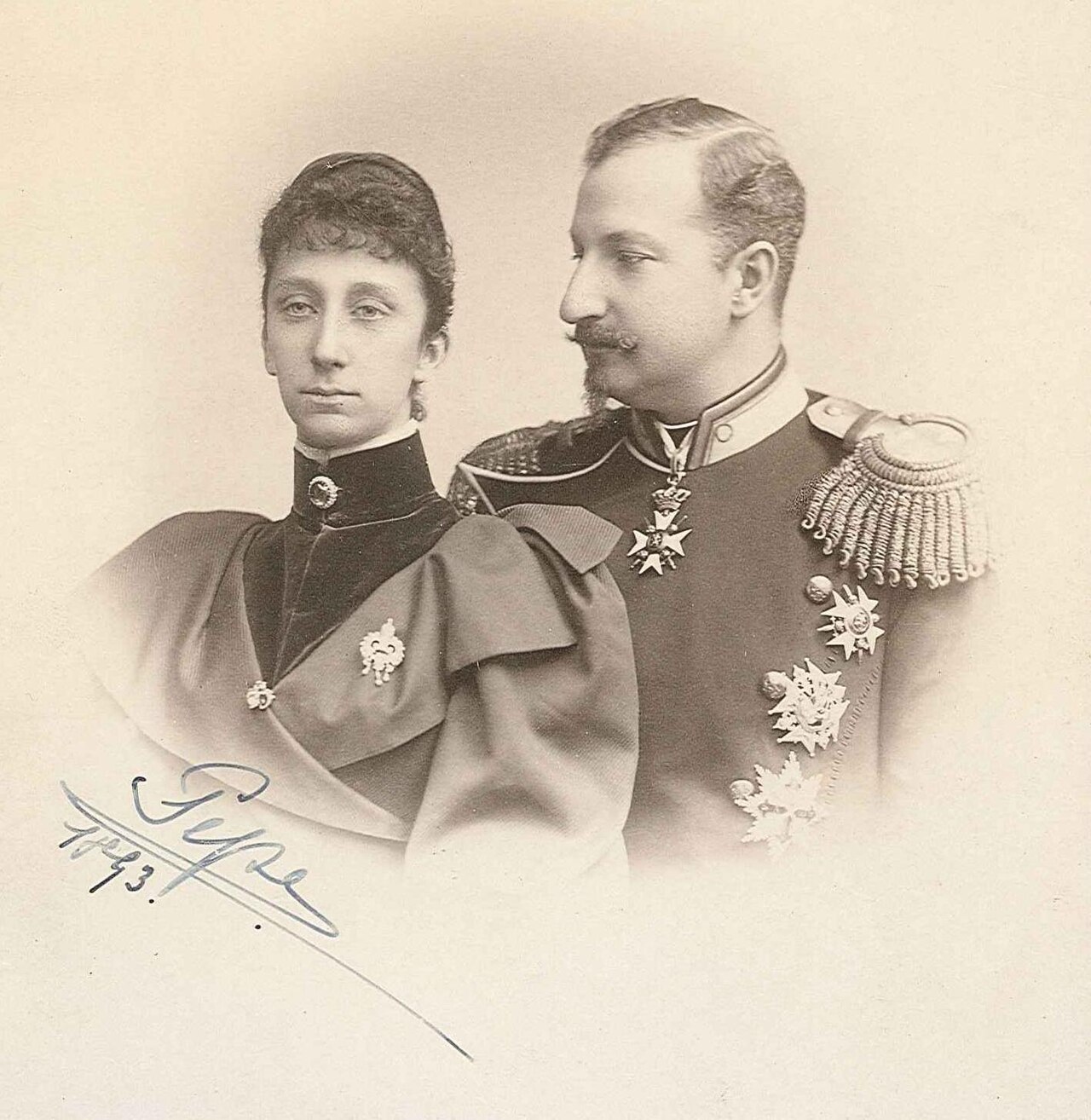
On September 26, 1908, Prince Ferdinand I broke his journey to Veliko Tarnovo — where he was travelling to proclaim Bulgaria’s independence — to stop at the ruins of Pliska, the first capital of the First Bulgarian Empire. The choice of stop was anything but incidental.
The gesture was carefully deliberate. By tying the new Third Bulgarian Kingdom to the glory of the country’s medieval emperors, Ferdinand lent the coming declaration a deep sense of historical legitimacy, presenting independence not as a break but as a restoration. Standing among the stones of the old capital, he framed the modern state as the rightful heir to centuries of Bulgarian statehood — a piece of political stagecraft as much as an act of remembrance.