June 23 pairs two very different tests of Bulgaria’s history: a foreign-led government straining the young state’s sovereignty in 1882, and a law rebuilding its courts after communism in 1994.
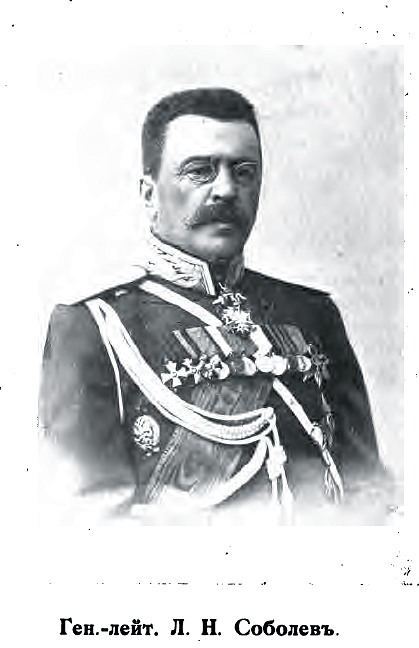
June 23, 1882 — General Leonid Sobolev forms a government
Russian General Leonid Sobolev formed a Conservative Party government in the Principality of Bulgaria. Prince Alexander I had suspended the liberal arrangements of the Tarnovo Constitution the year before, and Russian generals now held leading positions in the cabinet.
The government’s tenure exposed sharp tensions among the prince, Bulgarian politicians and Russia over who would control the young state. Those conflicts eventually helped bring the regime of extraordinary powers to an end and restore the constitution in 1883 — a telling sign of how fragile Bulgarian sovereignty still was after Liberation.
June 23, 1994 — Parliament adopts the Judicial System Act
The 36th National Assembly adopted a Judicial System Act regulating the courts, prosecution offices, investigative bodies and the administration of the judiciary. The law aimed to give practical shape to the principles of Bulgaria’s 1991 democratic Constitution.
Its implementation influenced appointments, governance and institutional relations through a period of extensive legal reform. The act was amended repeatedly as Bulgaria prepared for European Union membership and was ultimately replaced in 2007, yet it stands as a key stage in rebuilding the post-communist justice system.