More than a thousand years separate the two events remembered on June 22 in Bulgaria’s history: a medieval battlefield triumph over Byzantium in 813 and the turbulent aftermath of the first free election of the modern transition in 1990.
June 22, 813 — Khan Krum Defeats the Byzantines at Versinikia
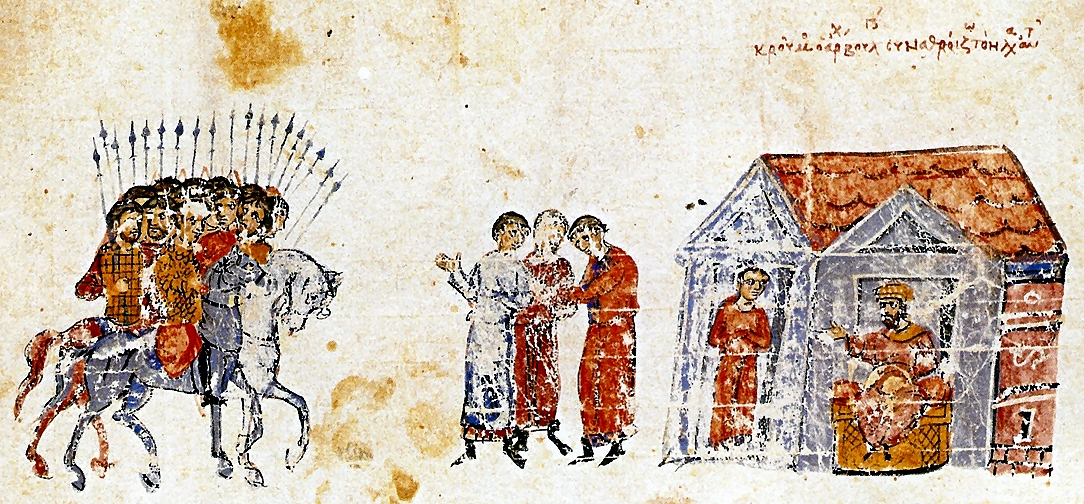
On June 22, 813, the Bulgarian army under Khan Krum defeated Byzantine forces at the Battle of Versinikia near present-day Yambol. After a tense standoff, parts of the Byzantine line broke, letting the Bulgarians win decisively and press on toward Constantinople.
The victory strengthened Krum’s hand and helped trigger a political crisis in Byzantium, where Emperor Michael I Rangabe abdicated. Constantinople did not fall, but the campaign confirmed Bulgaria as a major power in southeastern Europe and remains a notable episode in its long contest with the empire.
June 22, 1990 — Bulgaria’s Post-Election Political Crisis Deepens
On June 22, 1990, Bulgaria was still caught in an intense stretch of protests and negotiations after the first competitive Grand National Assembly election. Student occupations and opposition demonstrations pressed institutions to answer allegations, improve transparency and speed up democratic change.
The unrest showed that the transition would be shaped not only inside Parliament but also by civic action in streets and universities. The weeks after the vote fed into shifts in political leadership and the hard bargaining that preceded the 1991 Constitution—democracy as an unfolding process rather than a single day at the ballot box.