June 24 marks two quiet but lasting reforms in Bulgaria’s history — one that reshaped the working day, another that gave the country’s lawyers a profession of their own.
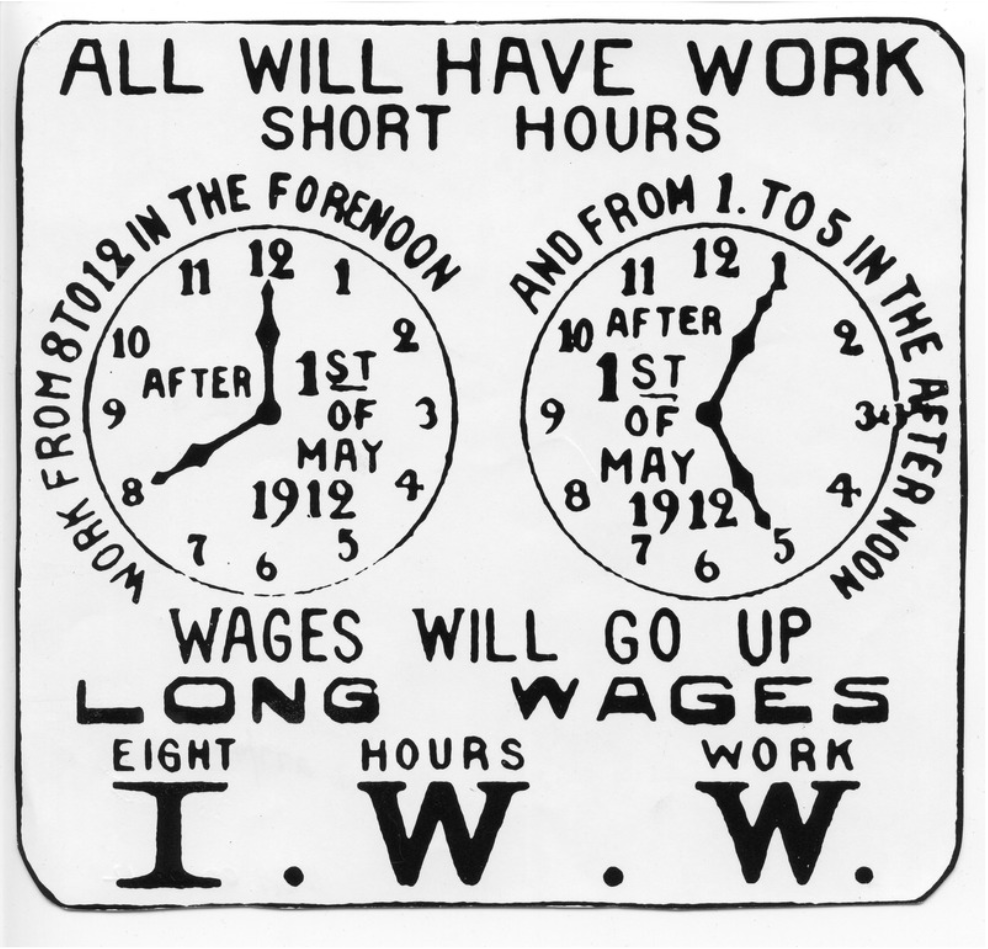
June 24, 1919 — Bulgaria introduces the eight-hour working day
A royal decree introduced an eight-hour working day and a forty-eight-hour working week across Bulgaria. Workers under sixteen, along with those employed at night or in conditions hazardous to health, were granted a shorter six-hour day.
The reform placed working time under the force of law rather than leaving it to employers’ discretion. It echoed the wider European and international push for social protection that followed the First World War, and it stands as a milestone in the development of Bulgarian labour rights.
June 24, 1925 — Parliament adopts the Lawyers Act establishing the Bar
The National Assembly adopted a Lawyers Act that established the organized Bar. It regulated admission to legal practice, defined professional responsibilities and created the self-governing structures through which lawyers could uphold standards and represent their collective interests.
An independent legal profession underpins fair trials, access to justice and protection against arbitrary power. Later political systems repeatedly changed the environment in which it operated, yet the act’s legacy lives on in today’s bar associations and the ethical rules that bind Bulgarian lawyers.
Step across to September 12 or September 28 for more from the series. For a different perspective on the country, take flight with Bulgaria From Above.