June 25 brings together the founding of official statistics and the choice of a monarch — two decisions, one quiet and one loud, that shaped Bulgaria’s history.
1880 — Bulgaria Creates the Forerunner of the National Statistical Institute
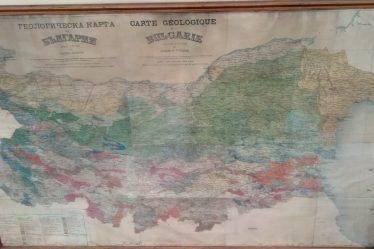
On June 25, 1880, the government set up the Statistical Organizational Division, regarded as the ancestor of today’s National Statistical Institute. The young state needed dependable figures on population, agriculture, trade, education, and public finances to shape policy and govern its territory.
The new body built censuses and regular statistical publications, turning scattered records into comparable national data. That work quickly became indispensable to government, scholarship, business, and public debate — the start of organised official statistics in Bulgaria.
1887 — Ferdinand Is Elected Prince of Bulgaria
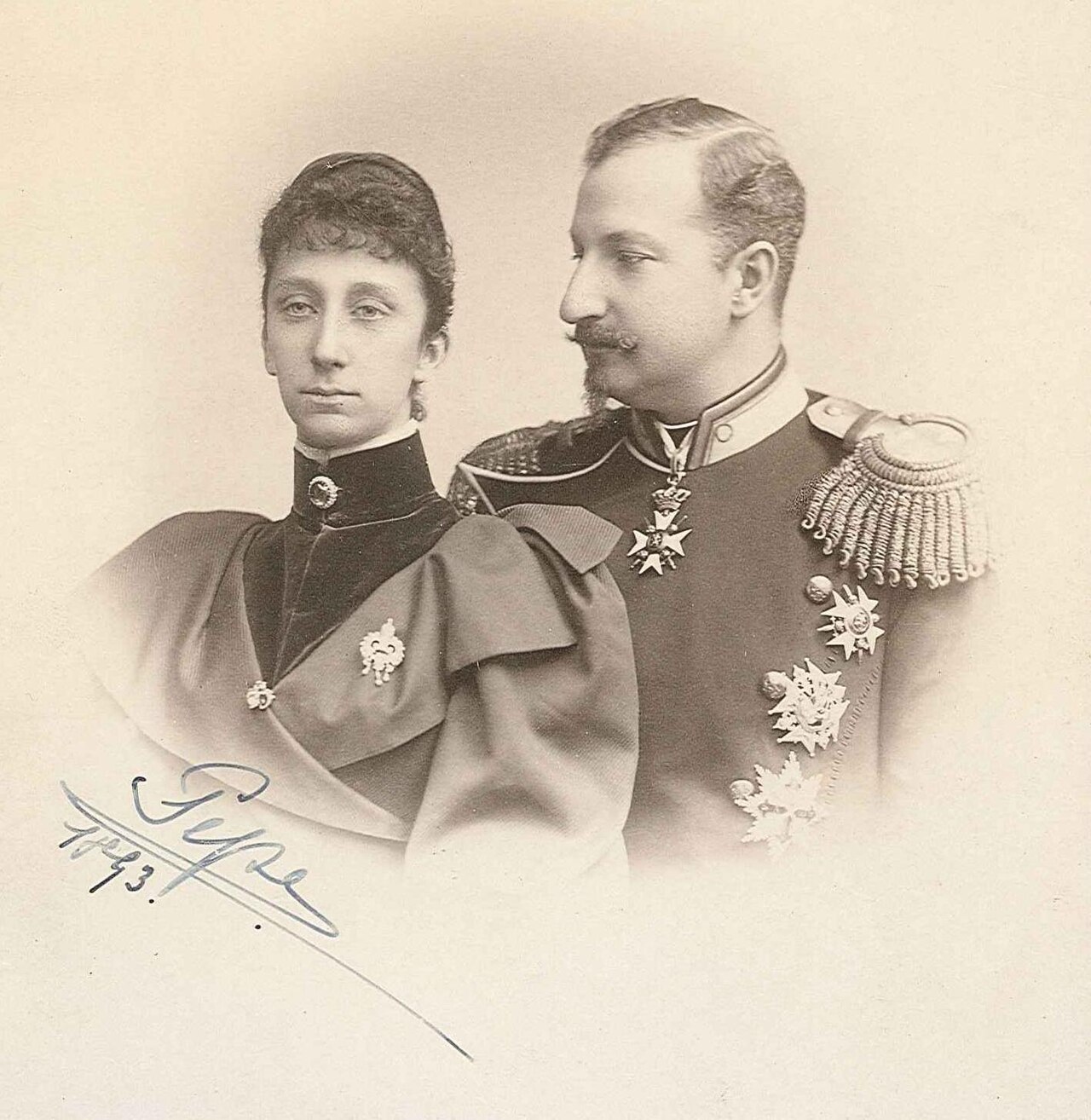
On June 25, 1887, the Third Grand National Assembly elected Ferdinand of Saxe-Coburg-Gotha Prince of Bulgaria. The throne had stood empty since Alexander I’s abdication, relations with Russia were strained, and the country faced considerable diplomatic isolation.
Ferdinand’s election opened a long and contested reign. He would proclaim Bulgaria’s independence in 1908 and take the title of tsar, but his ambitions also became bound up with the Balkan Wars and the First World War — so the vote of 1887 shaped Bulgarian monarchy, diplomacy, and military policy for more than three decades.