June 26 connects the beginning of constitutional monarchy after Liberation with the canonisation of Paisius of Hilendar—two events that speak to statehood and historical memory.
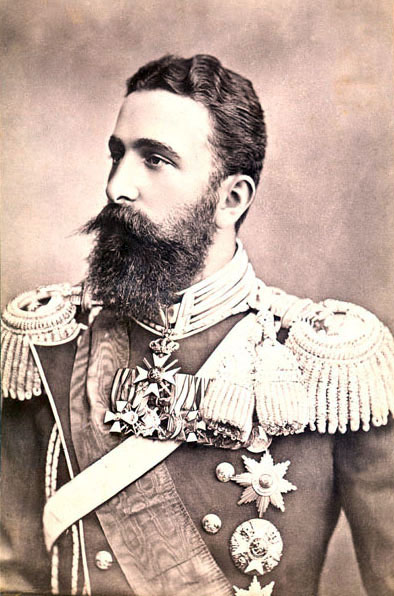
June 26, 1879 — Prince Alexander I Takes the Constitutional Oath
On June 26, 1879, the newly elected Prince Alexander I of Battenberg took the oath before the First Grand National Assembly in Tarnovo. The ceremony formally placed him at the head of the Principality created after the Russo-Turkish War and the Treaty of Berlin.
The oath was more than a formal procedure. It placed the relationship between the monarch, the representative assembly and the Constitution at the centre of the new state’s public life. Alexander’s reign confronted fundamental questions about constitutional government, Russian influence and national unification.
Tarnovo was a natural setting for the ceremony. The old capital gave historical weight to an institution that was still developing the practices of the modern Bulgarian state. The oath of June 26 marked the practical beginning of Bulgaria’s first post-Liberation monarchy and its difficult experiment with parliamentary government.
June 26, 1962 — Paisius of Hilendar Is Canonised
On June 26, 1962, the Bulgarian Orthodox Church canonised Paisius of Hilendar during commemorations of the two-hundredth anniversary of his Slavonic-Bulgarian History. Written in 1762, the work urged Bulgarians to remember their medieval state, rulers, saints and cultural identity.
The canonisation was more than a church ceremony. It recognised Paisius’s place in Bulgaria’s spiritual and cultural memory. His work became an important reference point for the National Revival because it brought together historical narrative, religious belonging and a call for self-awareness.
The two events remembered on June 26 were separated by more than eight decades, yet they complement each other. One gave institutional form to the restored state; the other affirmed a figure who helped society understand its historical belonging.