April 12 belongs to Bulgaria’s chitalishte tradition — one of the country’s most distinctive cultural institutions and a backbone of local education.
April 12, 1911 — The Union of People’s Community Centres Is Established
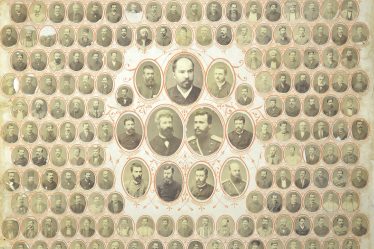
On April 12, 1911, the Union of People’s Community Centres was established. Bulgaria’s chitalishta had emerged during the National Revival as local centres for reading, theatre, lectures, libraries, music, and civic education. By 1911, the movement had grown enough to need coordination and representation at national level. The union helped connect local community centres, support their work, and defend the idea that culture should be available outside elite institutions and big cities. Chitalishta became places where ordinary people could encounter books, performances, celebrations, and public debate. April 12 therefore marks an important organizational step in a uniquely Bulgarian cultural network that continues to serve communities today.
April 12 — The Chitalishte Tradition Becomes a National Cultural Force
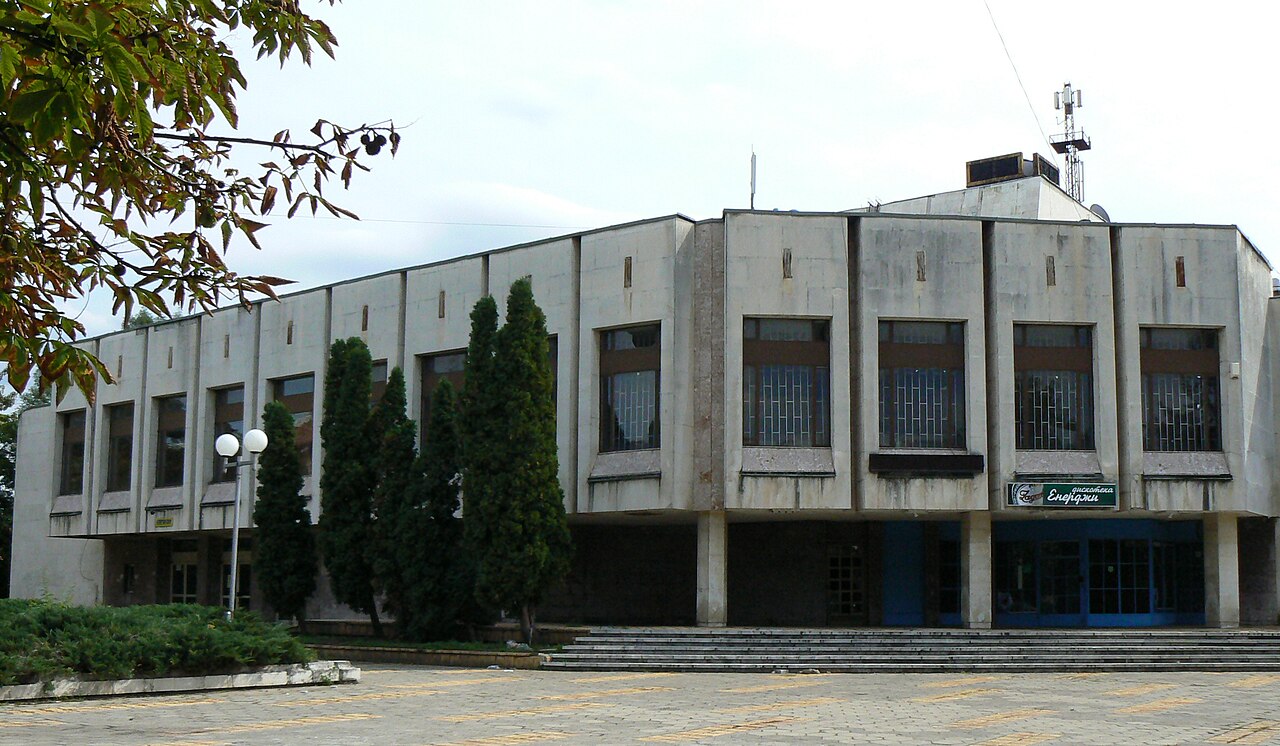
The establishment of a national union showed that the chitalishte was no longer only a local Revival-era initiative. It had become a lasting cultural system. In many towns and villages, the chitalishte functioned as library, stage, classroom, archive, and meeting hall all at once. It preserved folklore, supported amateur theatre and choirs, hosted commemorations, and encouraged reading in Bulgarian. This mattered especially in communities with limited access to formal cultural institutions. The chitalishte model joined patriotism with everyday usefulness: it gave people a place to learn, gather, and express themselves. April 12 therefore celebrates not one building, but a national habit of making culture communal, practical, and close to home.
Read about April 11 or continue with April 13. For more stories, explore Bulgaria From Above.