December 9, 1885 — The Armistice at Pirot Ends the Serbo-Bulgarian War
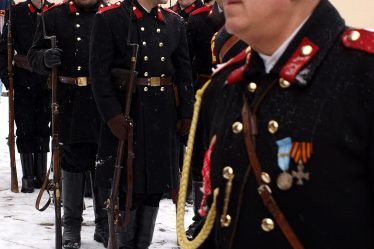
On December 9, 1885, an armistice was signed at Pirot, ending the Serbo-Bulgarian War. The conflict had begun after Serbia attacked Bulgaria in November 1885, soon after the Unification of the Principality of Bulgaria and Eastern Rumelia. Serbia expected a weakened Bulgaria, but Bulgarian troops, many of them young and hastily mobilized, won the decisive Battle of Slivnitsa and pushed westward. The armistice stopped the fighting before the war could expand further under pressure from the Great Powers. For Bulgaria, the short war became a powerful confirmation that the Unification could be defended by force. It strengthened national confidence, elevated Prince Alexander Battenberg’s prestige, and helped secure international acceptance of the new political reality created on September 6, 1885.
December 9, 1927 — Bulgaria and Greece Sign the Mollov-Kafandaris Agreement
On December 9, 1927, Bulgaria and Greece signed the Mollov-Kafandaris agreement in Geneva. The agreement dealt with compensation for people who had emigrated between Bulgaria and Greece and lost property as a result of population movements after the Balkan Wars and the First World War. It was named after Bulgarian representative Vladimir Mollov and Greek representative Georgios Kafandaris. The issue was especially painful for Bulgarians from Aegean Macedonia, many of whom had moved to Bulgaria while leaving homes, land, and livelihoods behind. BTA notes that between 300,000 and 400,000 Bulgarians emigrated from Aegean Macedonia to Bulgaria. The agreement was part of the difficult post-war effort to regulate displacement, minority questions, and property claims in the Balkans, where borders had changed faster than human lives could adjust.
Continue with December 8 or December 10. For more stories and places, explore Bulgaria From Above and the guides in our Bulgaria category on Bronicable.