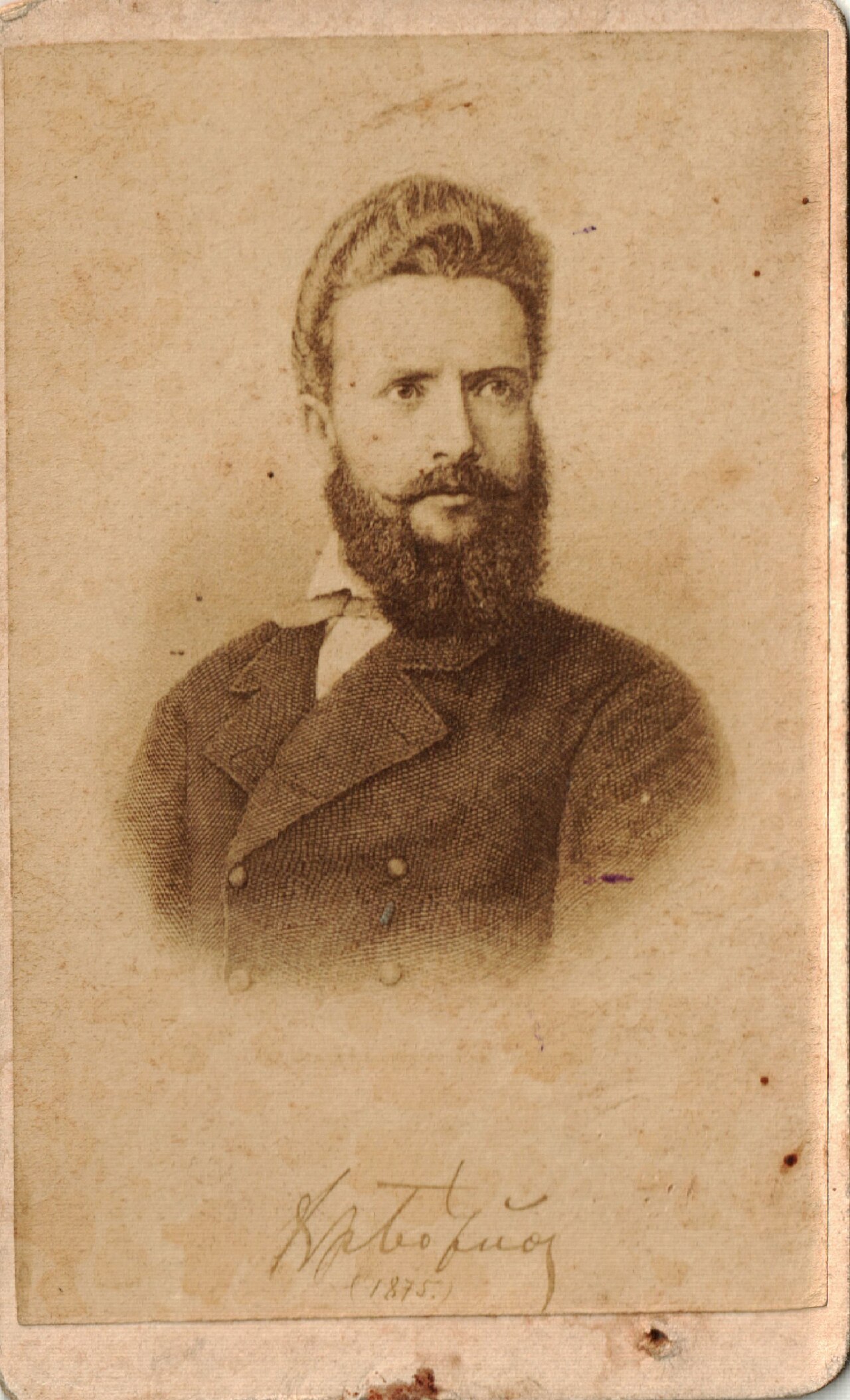
June 2 is one of Bulgaria’s most solemn dates, joining the memory of revolutionary poet Hristo Botev with a nationwide tribute to everyone who died for freedom and independence.
1876: Hristo Botev falls near Okolchitsa
Hristo Botev, poet, journalist and revolutionary, was killed after leading a detachment from Romania into Ottoman-ruled Bulgaria during the April Uprising of 1876. The group seized the steamship Radetzky, landed near Kozloduy and fought toward the Balkan Mountains, hoping to support the rebellion. Botev’s death near Okolchitsa transformed him into an enduring symbol of courage, political idealism and self-sacrifice. The anniversary is observed on June 2 because of historical calendar changes, although the corresponding Gregorian date of his death is June 1. BTA explains that Bulgaria marks the day not only for Botev and his volunteers but for all known and unknown people who gave their lives for the country’s freedom and independence. His revolutionary writings and poetry remain central to Bulgarian education and cultural memory, ensuring that the commemoration connects literature, history and civic identity.
1884–1901: The national commemoration takes shape
The public tradition of honouring Botev on this date began in 1884, when commemorations were organized in Vratsa and Plovdiv. A more formal observance at Okolchitsa followed in 1901, attended by surviving members of Botev’s detachment. These ceremonies gradually developed into the national Day of Botev and of Those Who Died for Bulgaria’s Freedom and Independence. Every June 2 at noon, sirens sound across the country for two minutes. Pedestrians stop, vehicles halt and people stand silently in remembrance. The ritual is striking because it turns busy streets and workplaces into a shared memorial space without requiring a single central gathering. Annual pilgrimages and ceremonies near Okolchitsa also keep the geography of Botev’s final campaign present in public memory. BTA records both the early commemorations and the modern siren ritual, showing how a local act of remembrance became a nationwide civic tradition.
Read about June 1 or continue with June 3. For more stories, explore Bulgaria From Above.