Two very different chapters of Bulgaria’s history converge on March 2 — one rooted in the aftermath of a lost war, the other in the architecture of a socialist economy.
March 2, 1923 — Settlement of Bulgarian Reparations Gets Under Way
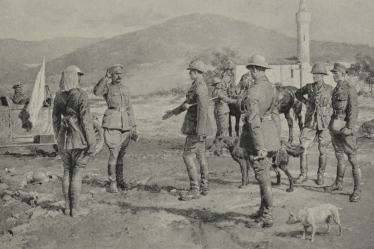
On March 2, 1923, the settlement of Bulgarian reparations with the Allied Powers began. The obligation came from the Treaty of Neuilly, imposed after Bulgaria’s defeat in World War I, and it shaped the country’s finances and diplomacy throughout the interwar decades. Reparations were never purely an accounting matter — they affected public budgets, foreign policy, and the mood of a society already exhausted by war and territorial losses.
Negotiations over payment reflected the difficult position of a small defeated state trying to stabilize itself under external pressure. This date is a reminder that the consequences of peace treaties can outlast the wars that produced them, embedding themselves in national politics and everyday life long after the fighting stops.
March 2, 1951 — The State Savings Bank Is Established
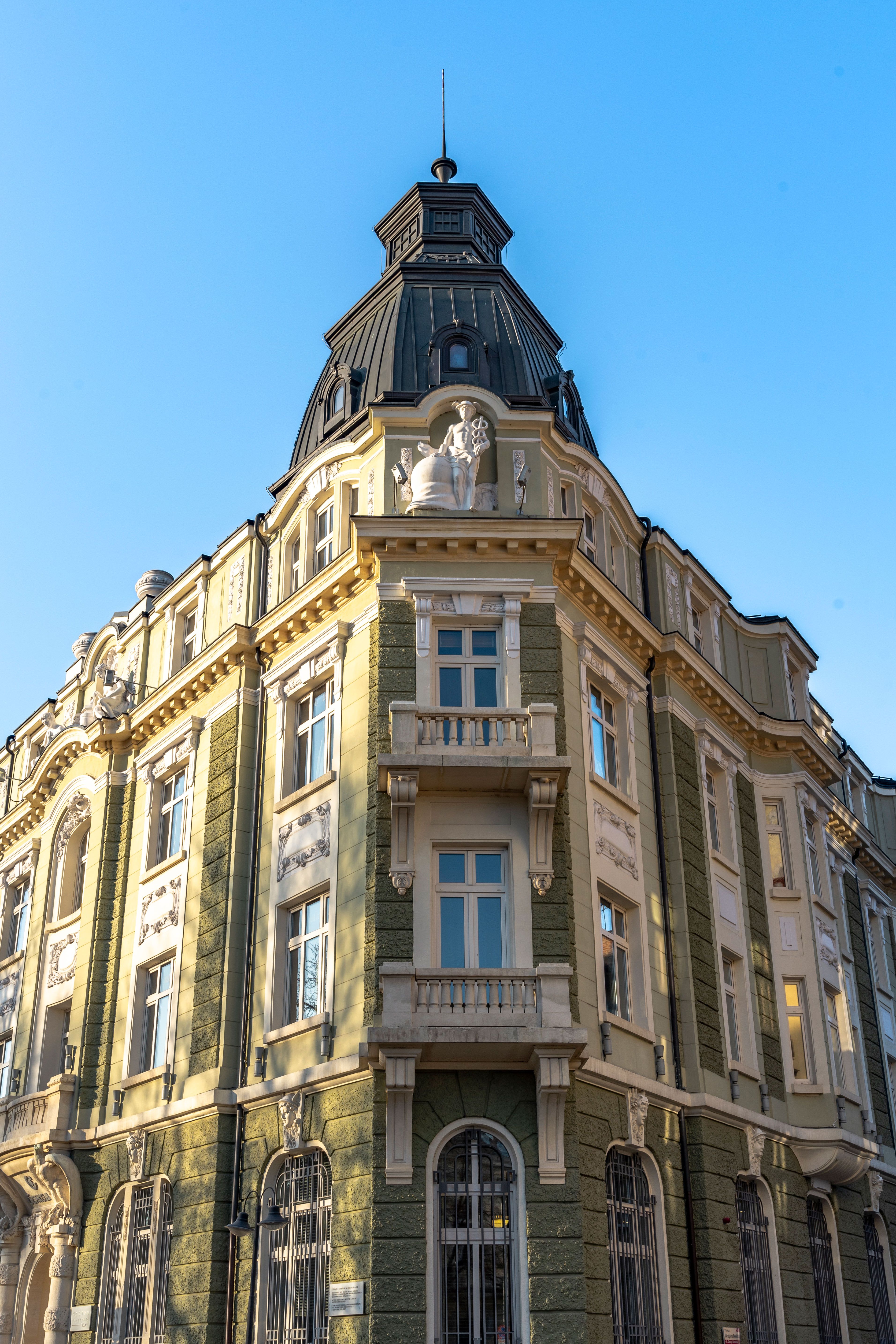
On March 2, 1951, the State Savings Bank — widely known by its Bulgarian abbreviation DSK — was founded. For generations it became one of the most familiar financial institutions in the country, associated with household deposits, loans, and the practical routines of family finance. Its creation reflected the centralized economic model of the socialist state, but its everyday presence reached far beyond ideology.
Bulgarians encountered DSK when saving for major purchases, planning home improvements, or managing monthly budgets. After 1989, the bank continued to evolve within a very different economic environment. The date marks the start of an institution whose name remained embedded in Bulgarian social memory long after the system that created it had changed.
Explore neighbouring days in Bulgaria’s history: March 1 and March 3. Discover more through our Bulgaria guides and the Bulgaria From Above series.