Parliamentary procedure and operatic ambition share a date in Bulgaria’s history on March 20 — one opening a political chapter on the eve of world war, the other inaugurating a cultural institution that has outlasted it by seven decades.
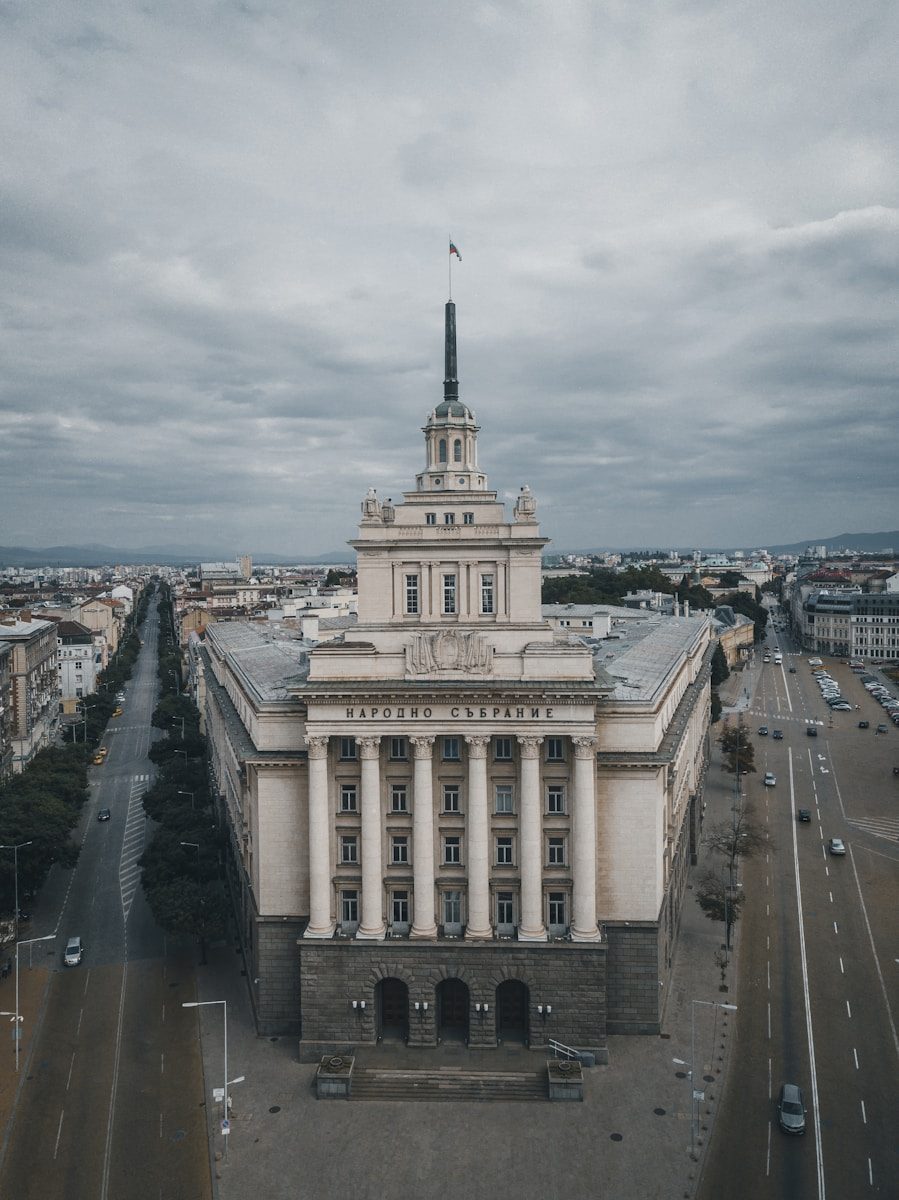
March 20, 1914 — The 17th National Assembly Holds Its First Sitting
On March 20, 1914, the 17th National Assembly convened for the first time following elections held in February. The assembly was larger than its predecessor — the number of deputies had grown from 204 to 245 — reflecting demographic change and the political reconfiguration after the Balkan Wars. Bulgaria in early 1914 was still absorbing the shock of those conflicts, navigating national grief, territorial dispute, and financial strain.
The opening sitting of any parliament is procedural by nature, but it marks the start of a political moment. This assembly would govern in the months immediately before World War I transformed Europe again — a context that gives even its routine sessions a certain historical weight.
March 20, 1953 — The Opera in Plovdiv Is Unveiled
On March 20, 1953, the Plovdiv Opera was officially inaugurated, with its first full performance following later that year. Plovdiv has long been one of Bulgaria’s leading cultural cities, and the creation of a permanent opera institution deepened that standing considerably. Running an opera house demands singers, musicians, directors, sustained funding, and an audience — so founding one is a serious cultural commitment, not a ceremonial gesture.
In the socialist period, regional opera houses were part of a wider effort to bring serious art beyond the capital. The Plovdiv Opera became a home for Bulgarian and international repertoire and for generations of artists who went on to careers across Europe. March 20 marks a date that still resonates in the city’s cultural life.
Discover Bulgaria’s story further on Bronicable — through the Bulgaria From Above series and our destination guides. More from this series: March 19 | March 21