March 8 is known worldwide as International Women’s Day, but in Bulgaria’s history the date also marks a revolutionary press debut and a civic movement that quietly challenged communist authority.
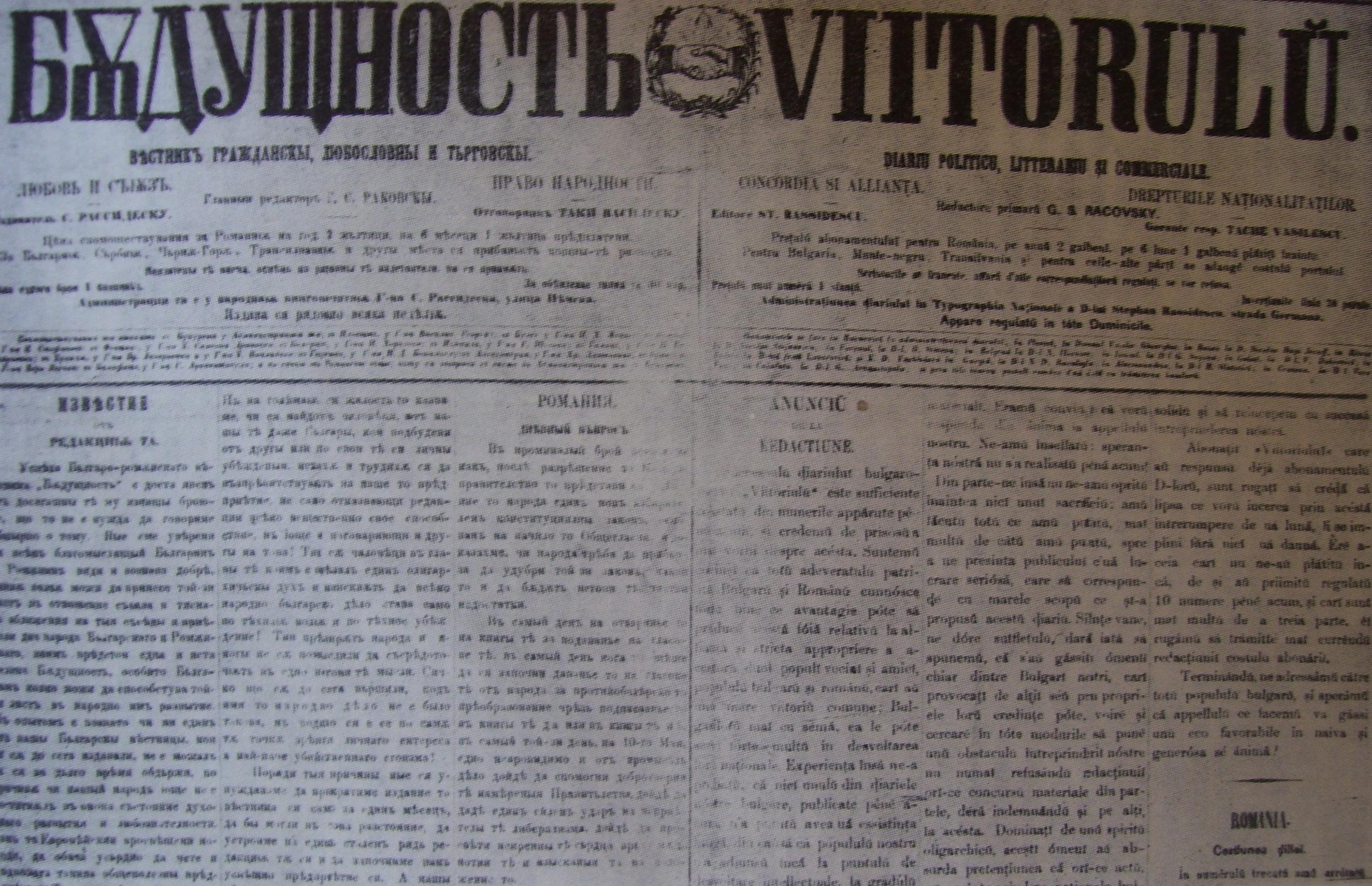
March 8, 1864 — Rakovski’s Budoushtnost Newspaper Appears
On March 8, 1864, the first issue of Budoushtnost appeared in Bucharest under the editorship of Georgi S. Rakovski — revolutionary, writer, publicist, and one of the leading figures of the Bulgarian National Revival. Newspapers printed outside the Ottoman Empire were essential for Bulgarian political thought: they could speak more freely, connect emigrant communities, and spread ideas about education, rights, and liberation.
Budoushtnost was short-lived, but its title — meaning “Future” — captured the ambition of revival-era journalism. Such publications did more than report events. They created a political language, argued for collective goals, and helped imagine a Bulgarian public sphere before the state itself was restored.
March 8, 1988 — A Public Committee for Protecting Rousse’s Environment Is Established
On March 8, 1988, a public committee for the protection of the environment of Rousse was set up in Sofia. The organization emerged after sustained public concern over pollution affecting the Danubian city, particularly emissions drifting from across the river. Environmental activism had become one of the few spaces where citizens could openly challenge the communist system’s priorities in the years before 1989.
The committee mattered far beyond ecology. It demonstrated that public initiative, civic pressure, and independent organization were beginning to push through the constraints of official politics. The path toward democratic change in Bulgaria was shaped not only by parties and party leaders, but also by citizens defending health, local communities, and the right to breathe clean air.
Read more from Bulgaria’s history in March: March 7 and March 9. More about the country on our Bulgaria From Above pages and destination guides.