On May 4, Bulgaria remembers one of the darkest episodes of the April Uprising and a later institutional change in the history of the police. The date brings together the human cost of national struggle and the continuing development of state authority in the twentieth century.
1876: The April Uprising is suppressed in Batak
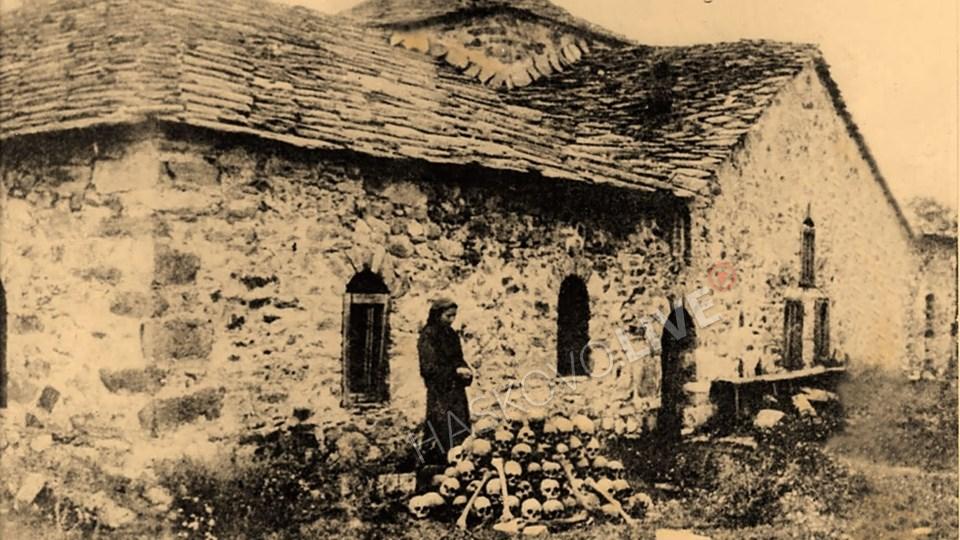
On May 4, 1876, the April Uprising was suppressed in Batak. Thousands of people were killed and the town was burned, turning Batak into one of the most painful symbols of the uprising. The massacre shocked public opinion far beyond the Balkans after foreign journalists and observers reported on the violence. Batak became central to the international reaction that followed, because it gave the Bulgarian cause a human face and a moral urgency that diplomatic language alone could not express. In Bulgarian memory, Batak is not simply a place of suffering; it is also a place of witness. Its churches, memorials, and museum narratives preserve the story of civilians who paid a terrible price during the struggle against Ottoman rule.
1925: The Administration and Police Act is promulgated
On May 4, 1925, the Administration and Police Act was promulgated, marking a new stage in the development of Bulgaria’s police force. The law came during a period of deep political tension, only weeks after the St Nedelya Church bombing and amid strong state efforts to reassert control. Police organization in the interwar years reflected the pressures facing Bulgarian governments: political violence, ideological conflict, social unrest, and the need to manage public order. The act is important because it shows how security institutions were shaped by crises as well as by administrative reform. It also raises broader questions about the balance between order, civil rights, and state power in a society still affected by war, coups, and political polarization.
Read about May 3 or continue with May 5. For more stories, explore Bulgaria From Above.