October 1 gathers two turning points from Bulgaria’s history more than a century apart: a besieged city grinding toward its fall in 1877, and a parliament dismantling one-party rule in 1990.
October 1, 1877 — Pleven: A City Under Siege
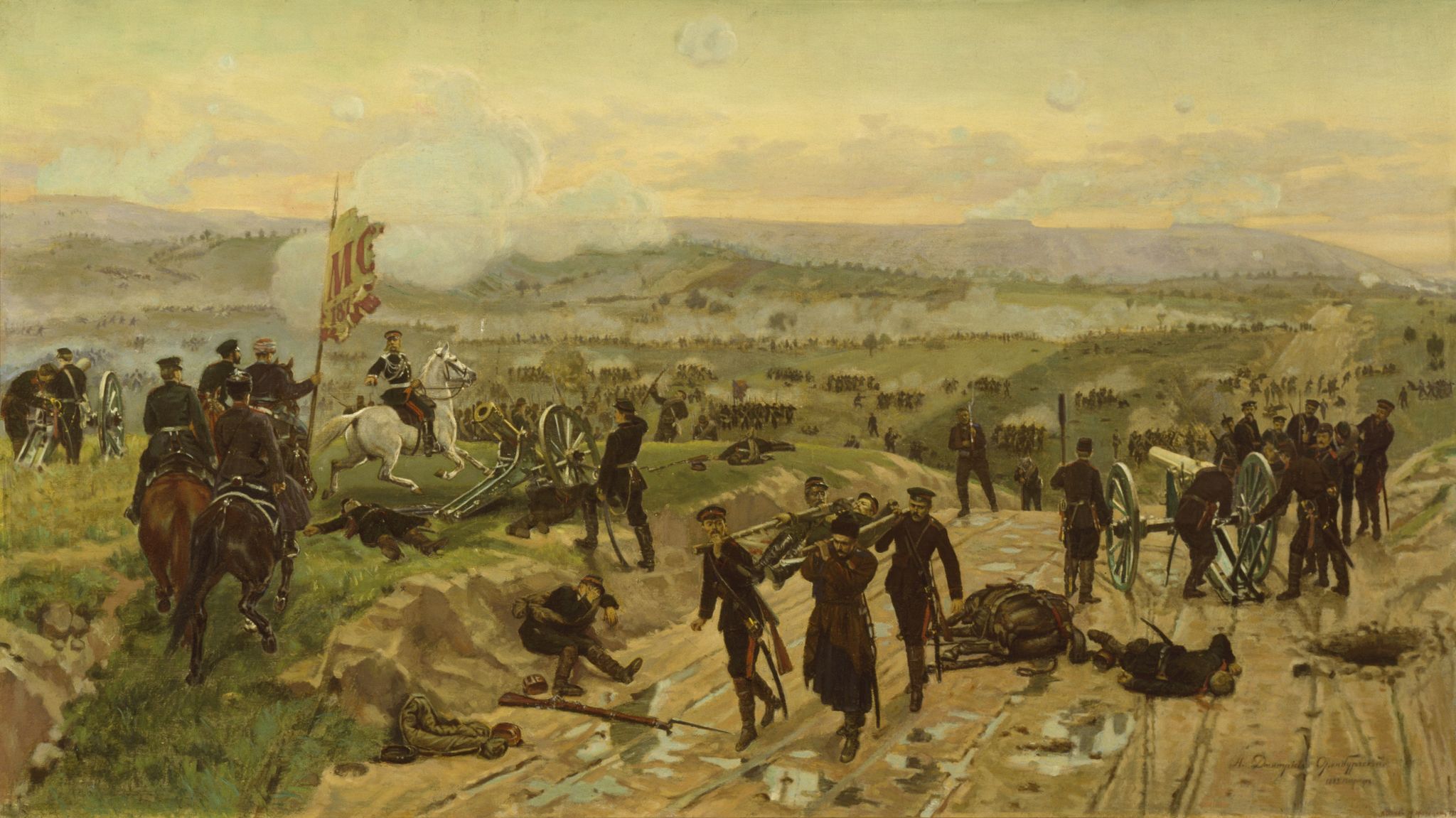
By October 1, 1877, the siege of Pleven had entered its fourth month, and Osman Pasha’s Ottoman garrison found itself increasingly isolated and short of supplies. Russian and Romanian forces, alongside Bulgarian volunteers, had drawn an elaborate ring of trenches and fortifications around the city, cutting every road out.
The endurance of the defenders remained remarkable, but the noose was steadily tightening and time was running out for the trapped army. The struggle for Pleven was among the decisive episodes of the Russo-Turkish War of 1877–78: when the city finally fell that December, it opened the road south and brought the Liberation of Bulgaria within reach.
October 1, 1990 — Law on Political Parties
On October 1, 1990, Bulgaria’s National Assembly adopted the Law on Political Parties, one of the foundational acts of the country’s post-communist democratic transition. For the first time, it set out a clear legal framework for genuinely multi-party politics.
The law swept away the constitutionally guaranteed monopoly of the Bulgarian Communist Party, which had ruled the country since 1946. In its place, competitive party politics gained firm legal footing for the first time in over four decades, allowing new and revived parties to organise, compete, and contest power openly. It was a modest-looking statute that helped anchor one of the deepest changes in modern Bulgarian political life.