September 12 contains two contrasting chapters of Bulgarian history: the mass arrests of communist activists in 1923 and the designation of Shipka as a national park-museum in 1969.
September 12, 1923 — Mass Arrests of Communist Activists
After martial law was declared, the Bulgarian police launched a wave of pre-emptive arrests. Hundreds of prominent members of the Bulgarian Communist Party were detained, including figures from its Central Committee.
The sweep threw the party’s coordination into disarray. Cut off from their leadership, some local committees acted too soon and began the uprising before there was any unified plan. The arrests therefore became part of the immediate background to the September Uprising.
The episode shows how quickly political tension can turn into repression, and repression into even deeper confrontation. Instead of ending the crisis, the arrests contributed to the breakdown of coordination and to a sequence of actions that ended in violence and loss of life.
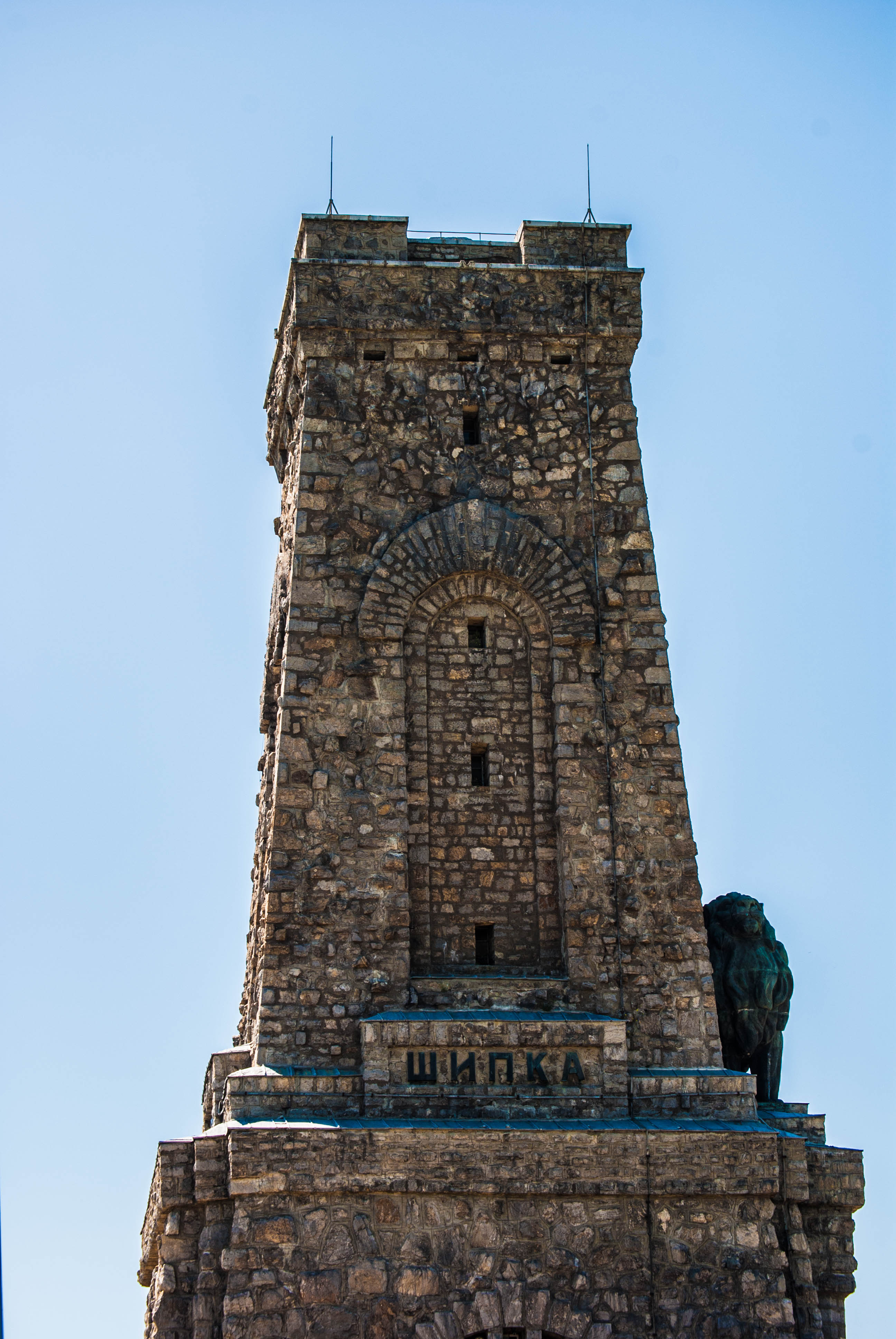
September 12, 1969 — Shipka Becomes a National Park-Museum
On September 12, 1969, the historic complex at Shipka Pass was officially designated a national park-museum. The site commemorates the epic defence of the pass during the Russo-Turkish War of 1877–1878.
Shipka became a central monument of Bulgarian national memory. It honours the shared sacrifice of the Russian troops and Bulgarian volunteers who defended the pass in decisive battles. The museum status preserved memory not only as a story, but also as a concrete place that could be visited, studied and passed on to future generations.
The two events remembered on September 12 were opposite in meaning. One shows how political crisis can destroy trust and order; the other shows how society creates a place for honour and historical heritage.
September 12 therefore carries two different kinds of memory: memory of political violence and memory of sacrifice turned into a national symbol. Both require careful attention to the facts.