October 7 connects the siege of Pleven in 1877 with Bulgaria’s participation in the Balkan offensive of 1944. In both cases, organisation and command were crucial to military operations.
October 7, 1877 — Totleben Reorganises the Siege of Pleven
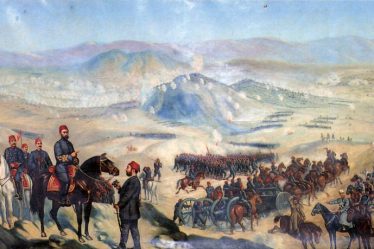
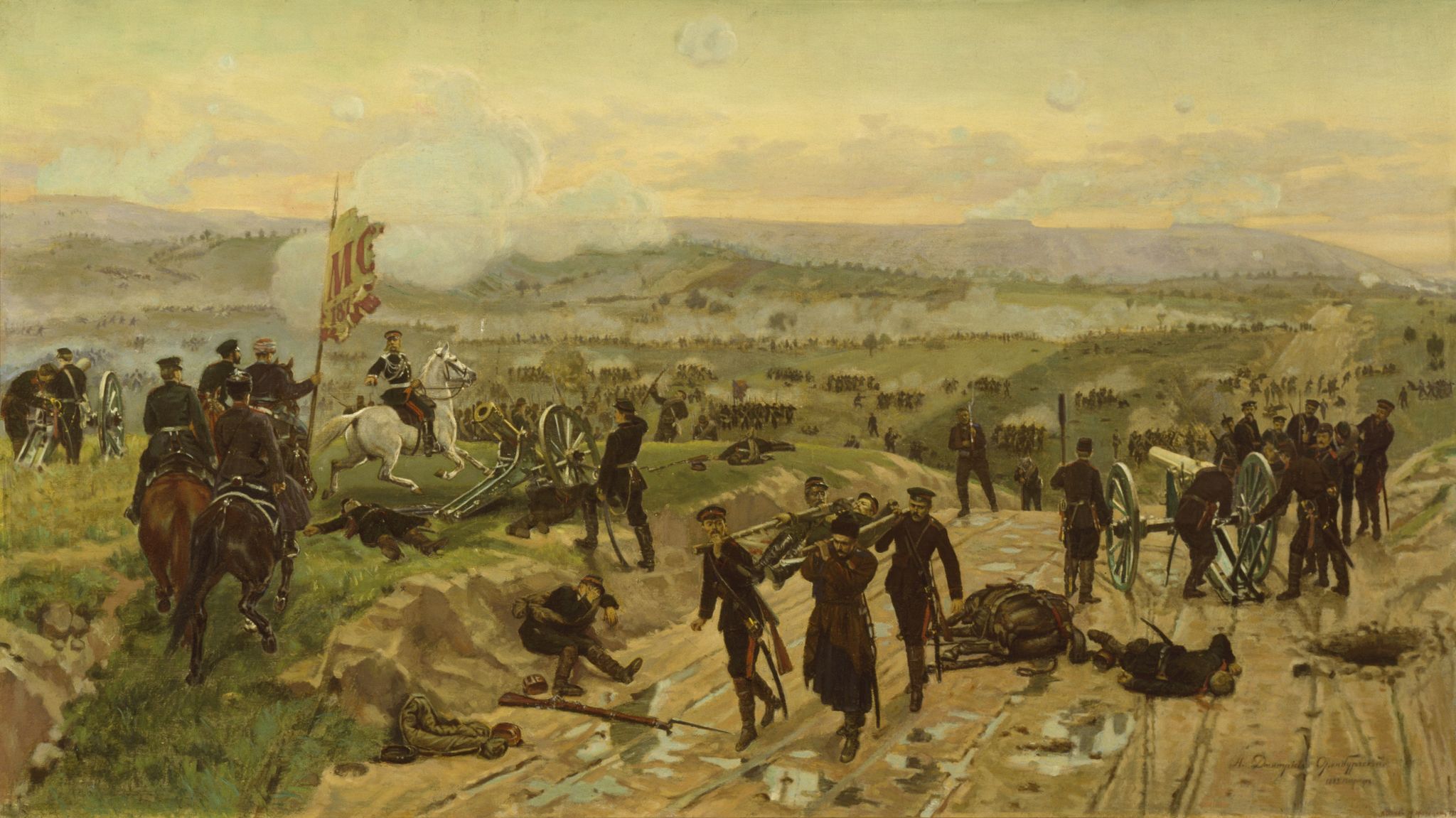
On October 7, 1877, General Eduard Totleben began reorganising the Russian and Bulgarian siege lines around Pleven. The aim was to close gaps in the encirclement and improve the defensive works.
Totleben brought engineering expertise developed during the siege of Sevastopol. Under his direction, the siege took on a more methodical character. Pressure on Osman Pasha’s garrison steadily increased, and Pleven became the centre of one of the most important operations of the Russo-Turkish War of 1877–1878.
In a war of this kind, fortifications, supplies and coordination mattered as much as the soldiers’ courage. The reorganisation of the siege lines shows how technical preparation could change the course of fighting and turn a prolonged siege into a structured military operation.
October 7, 1944 — The Battle in the Nisava Valley
Bulgarian forces advancing through Yugoslavia engaged German and Croatian Ustasha units in the Nisava Valley. They fought their way north as part of the broader Allied offensive to drive German forces from the Balkans.
The campaign was costly but moved quickly. The Bulgarian army operated under its new Allied command, and its actions contributed to the liberation of Belgrade weeks later.
October 7 therefore shows two faces of military history: the careful preparation of a siege in 1877 and the rapid advance of an army operating in a changed political and military environment in 1944.
In both episodes, the result depended on the ability to organise forces on the ground. At Pleven, that meant fortification and encirclement; in the Nisava Valley, it meant coordinated advance and a change in command.
That contrast gives October 7 its particular place in Bulgaria’s wartime calendar.