January 14 shows how education and urban transport changed everyday life in Bulgaria. In 1835, the first secular monitorial school opened in Gabrovo. In 1901, Sofia’s first tram service began operating.
January 14, 1835 — The school in Gabrovo
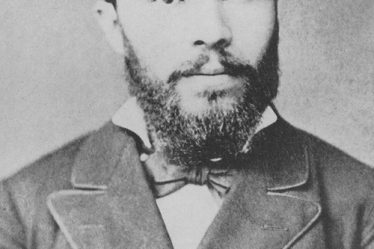
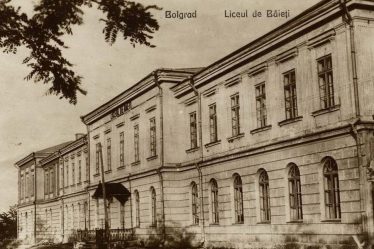
The first secular monitorial school in Gabrovo opened on January 14, 1835. Vasil Aprilov led the initiative with the support of donors and education-minded Bulgarians. The school used the monitorial, or Lancasterian, system, in which more advanced pupils helped teach others.
This method allowed one school to work with more children and answered the growing need for accessible secular education. Gabrovo gradually became an important centre of Bulgarian Revival learning, and the school formed part of that wider change.
January 14, 1901 — Sofia’s first tram service
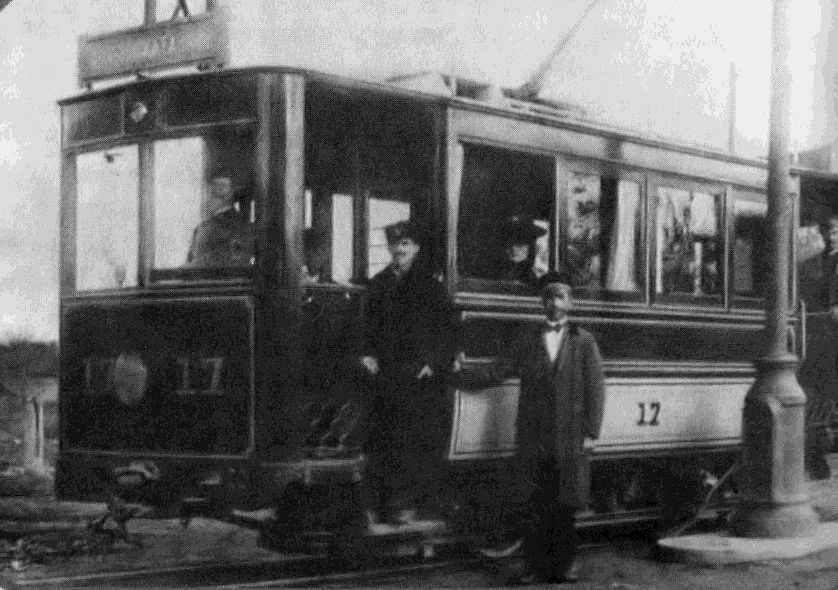
Sofia’s first tram service began operating on January 14, 1901. The new transport connected parts of a rapidly growing city and introduced a different rhythm to movement through the capital.
The arrival of the tram was a sign that Sofia needed modern urban infrastructure. The change was more than technical: easier travel linked neighbourhoods, workplaces and public spaces.
The two events of January 14 belong to different fields, but both expanded people’s possibilities — one through schooling, the other through public transport.
In both cases, change began in a specific place. The school became part of Gabrovo’s educational tradition, while the tram line entered Sofia’s everyday life. Decisions like these may seem modest at first, but they gradually change how people learn, work and move through a city.
Follow the previous day — January 13, the next day — January 15 or browse the Bulgaria From Above category.