The rise of Bulgaria’s most forceful statesman and a grim night of Cold War obedience sit side by side on August 20 in Bulgaria’s history.
August 20, 1887 — Stambolov Takes Power
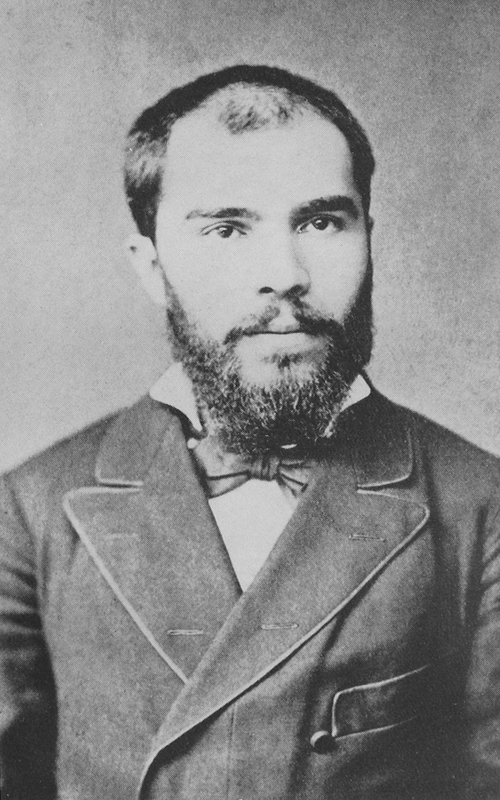
Prince Ferdinand appointed Stefan Stambolov as Prime Minister, placing the fiery former revolutionary at the head of government during one of the most turbulent stretches of Bulgaria’s young statehood. Stambolov had already broken up an attempted coup and steered the Grand National Assembly through Ferdinand’s election as prince weeks earlier.
His cabinet, drawn from his own National Liberal Party, would govern until 1894. It pursued an ambitious programme of railway building, army expansion, and skilful diplomacy that helped Bulgaria weather Russian hostility and win international recognition for its new monarch.
August 20, 1968 — Bulgaria Joins the Crushing of the Prague Spring
As Warsaw Pact tanks rolled into Czechoslovakia to crush Alexander Dubček’s reform movement, Bulgaria contributed a small military contingent alongside Soviet, Polish, Hungarian, and East German forces.
Participation was effectively obligatory under Bulgaria’s alliance commitments, and its military role was minor. Even so, the episode has remained a source of lasting discomfort — one that later Bulgarian governments and much of society have openly acknowledged as a historical wrong.
The previous entry, August 19, rounds out this stretch of the series. Explore further in our guides to the best of Bulgaria.