Few dates in Bulgaria’s history carry as much warmth and symbolism as March 1, when a centuries-old spring custom fills streets and homes with the red and white of the martenitsa.
March 1 — Bulgarians Celebrate Baba Marta
On March 1, Bulgarians celebrate Baba Marta, a traditional festival tied to the arrival of spring. The name means “Grandmother March,” a mythical figure whose shifting moods account for the unpredictable weather of the season. People exchange martenitsas — red-and-white threads, bracelets, tassels, or small figures — as wishes for health, luck, and renewal.
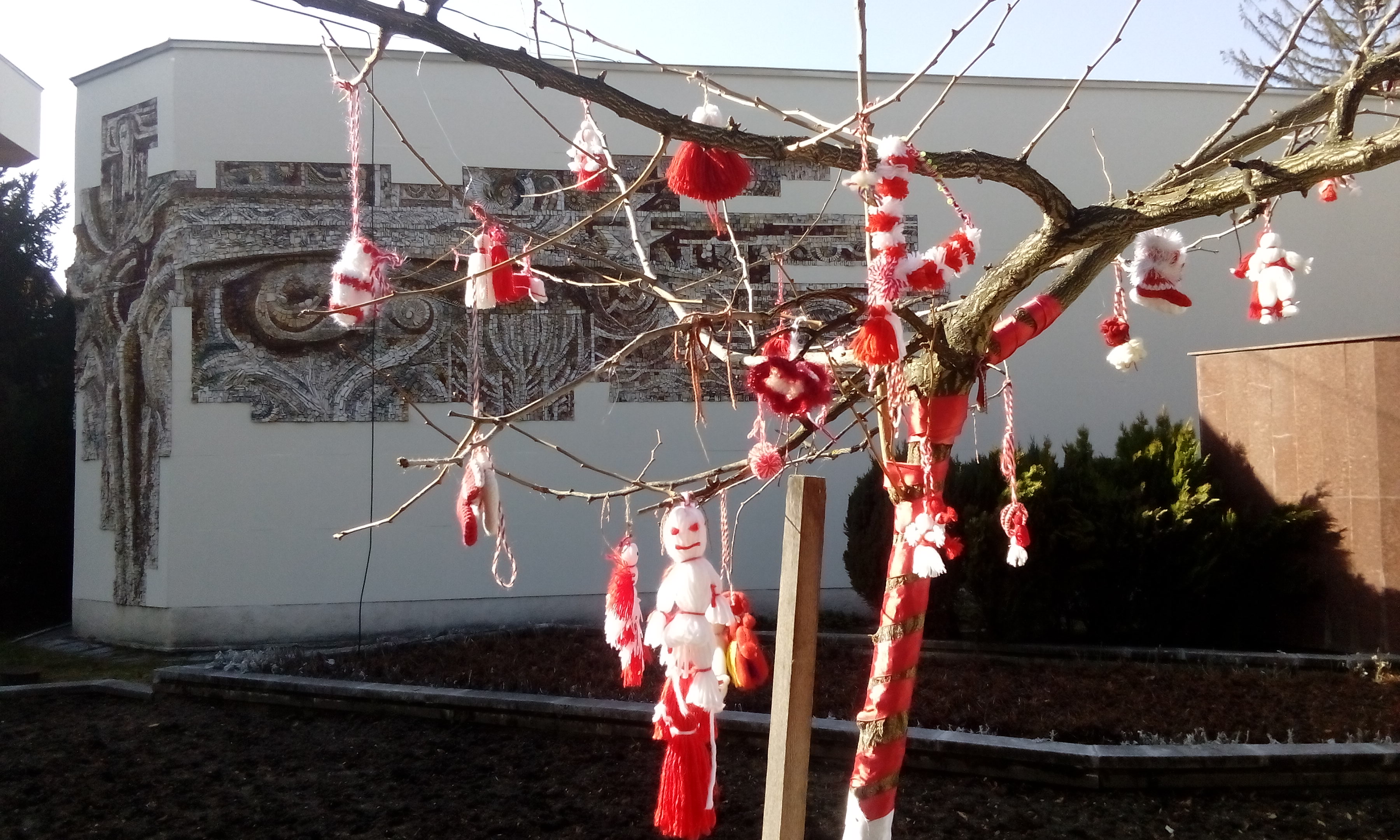
The custom is visible everywhere: schools, offices, street corners, and family tables. A martenitsa is worn until the owner spots a stork, a swallow, or a blossoming tree, then tied to a branch as an offering. The ritual keeps an old seasonal logic alive inside everyday modern life.
March 1 — The Martenitsa Becomes a National Symbol of Renewal
The martenitsa is more than a decorative object. Its red and white colours connect to ideas of life, purity, vitality, and protection, and the tradition has become one of Bulgaria’s most recognizable cultural exports. Families still prepare martenitsas by hand, while markets display countless variations — from simple twisted yarn to elaborate Pizho and Penda figures.
The ritual bridges generations: children receive it as play, adults as a sign of continuity. In 2017, UNESCO inscribed the martenitsa tradition as part of the multinational intangible cultural heritage of spring rites in Southeastern Europe. What began as a folk custom has become a shared civic gesture repeated by millions every year.
Read about more March milestones in Bulgaria’s history: March 2 and March 3. You might also enjoy our Bulgaria From Above series and our guides to the best of Bulgaria.