April 2 links a dramatic moment in interwar politics with one of the most visible symbols of Bulgaria’s post-Cold War foreign-policy turn.
April 2, 1924 — The Bulgarian Communist Party Is Outlawed
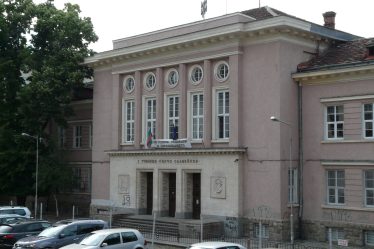
On April 2, 1924, the Supreme Court of Cassation outlawed the Bulgarian Communist Party, the Labour Party, the Bulgarian Communist Youth League, the General Workers’ Trade Union, and related organizations. The decision followed the turmoil after World War I, the June 1923 coup, and the September 1923 uprising. It reflected the fierce conflict between the state and revolutionary left-wing movements in interwar Bulgaria. Outlawing political organizations was a legal act with deep political consequences: it pushed activists underground, hardened ideological divisions, and intensified the struggle over legitimacy. April 2 therefore belongs to the history of a fragile democracy under pressure, where fear of subversion and the use of state repression reshaped public life.
April 2, 2004 — Bulgaria’s Flag Is Raised at NATO Headquarters
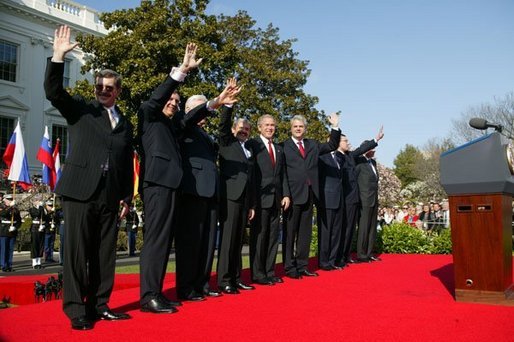
On April 2, 2004, Bulgaria’s flag was raised at NATO Headquarters in Brussels, together with the flags of Latvia, Lithuania, Estonia, Romania, Slovakia, and Slovenia. The ceremony followed Bulgaria’s formal accession to the alliance and gave visible expression to a strategic change that had taken years of preparation. NATO membership required military reform, diplomatic consistency, and a new understanding of security after the Cold War. For Bulgaria, the flag-raising was more than protocol. It marked a place within a collective defence system and confirmed the country’s Euro-Atlantic orientation before EU accession in 2007. April 2 therefore stands as a symbolic moment in Bulgaria’s modern international identity.
Read about April 1 or continue with April 3. For more stories, explore Bulgaria From Above.